Why Luxury Vehicle Owners in Des Moines Choose PPF More Often Than Ceramic Coating
Luxury vehicles are built to stand out. Their paint finishes are often one of the most noticeable parts of the vehicle, which makes protecting that finish a priority for many owners.
In Des Moines, however, keeping that finish pristine isn't simply about washing the car regularly.
Road debris, gravel, construction zones, winter conditions and everyday highway driving can expose paint to physical damage. For owners of high-end vehicles, that creates an important question:
Is ceramic coating enough, or does paint protection film (PPF) make more sense?
The answer depends on what you want to protect against.
Ceramic coating and PPF are both valuable paint-protection solutions, but they solve different problems. Ceramic coating primarily provides chemical and environmental protection while making the surface hydrophobic and easier to maintain. PPF provides a physical barrier designed to absorb impacts from road debris, helping protect the paint underneath.
For luxury vehicles that regularly see Iowa roads, that difference can make PPF particularly attractive.
Des Moines Roads Create a Real Paint-Protection Challenge
Iowa driving can be hard on automotive paint.
Gravel roads are one obvious source of damage. Small stones and road debris can strike the front bumper, hood, fenders and mirrors with enough force to chip the paint.
Winter creates another challenge.
Road salt, sand, slush and other materials used during winter travel can accumulate on the exterior. Construction zones and highway driving add another layer of exposure.
For a basic commuter vehicle, a few small chips may simply be part of ownership.
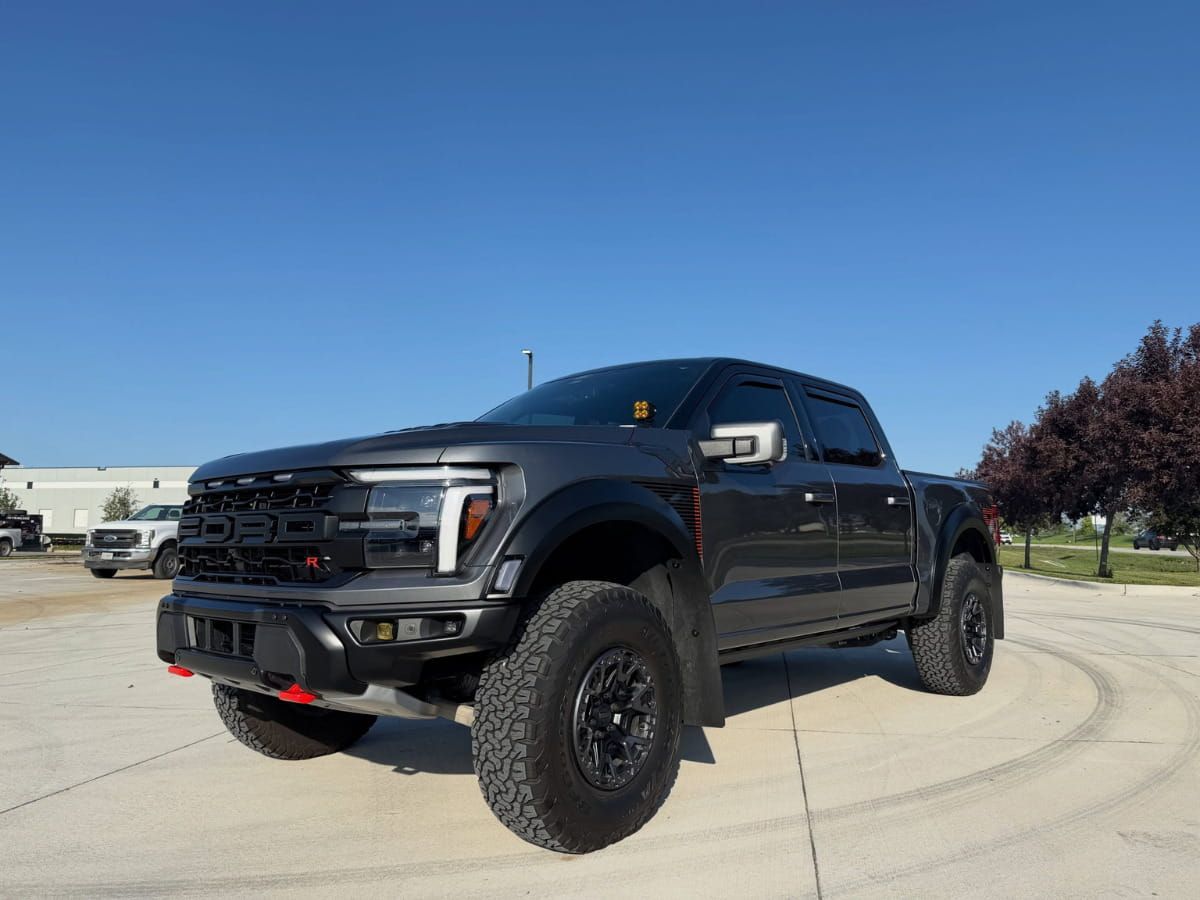
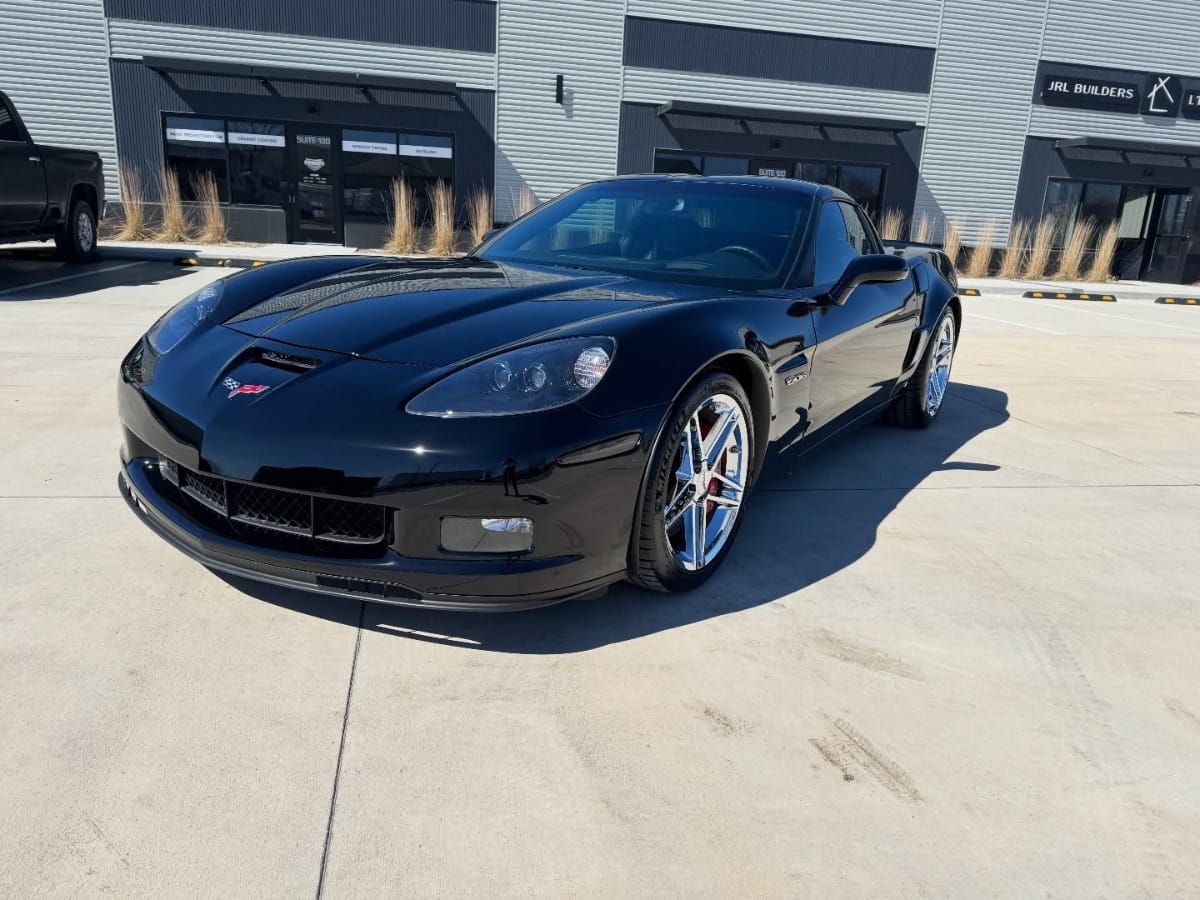
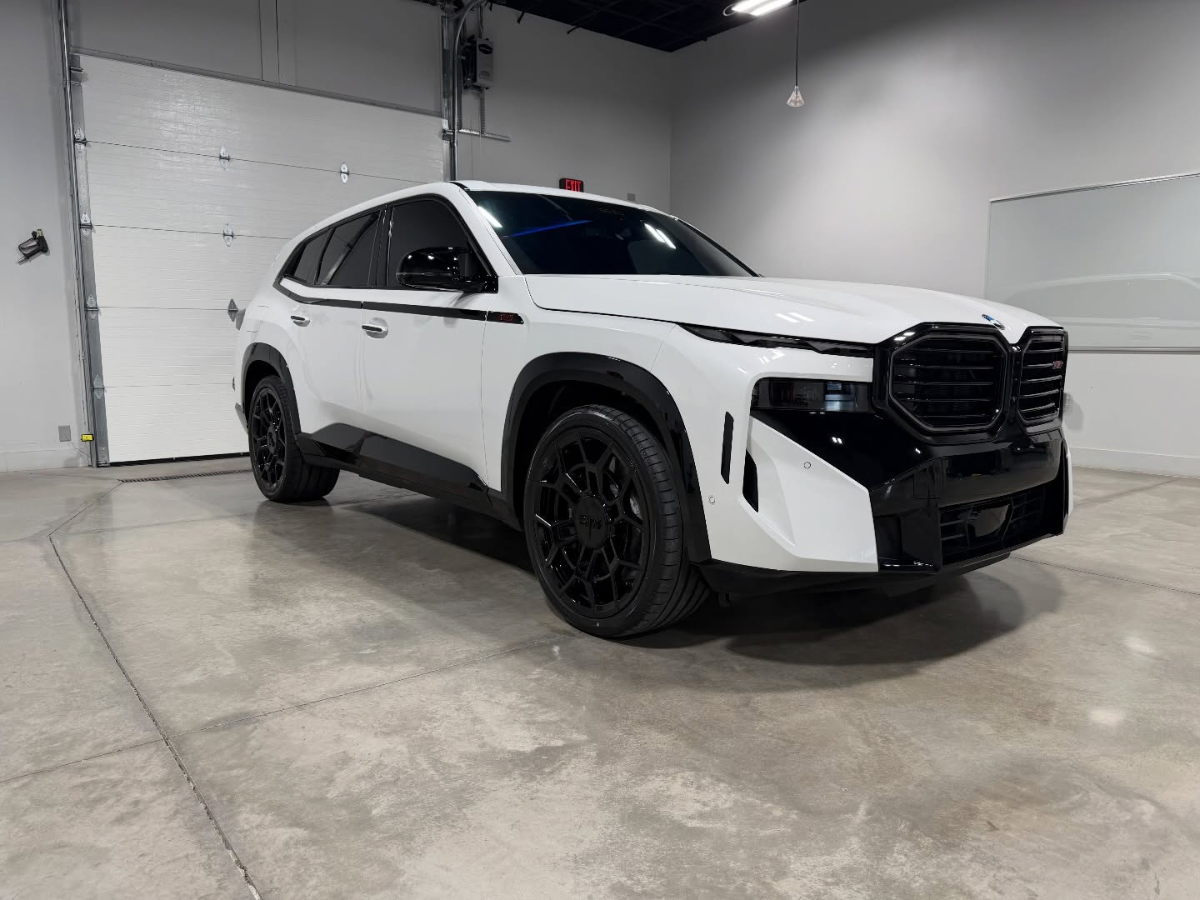
For a new Porsche, BMW, Mercedes-Benz, Audi, Corvette or other premium vehicle, owners may be less willing to accept that trade-off.
That's where PPF comes into the conversation.
PPF and Ceramic Coating Do Different Jobs
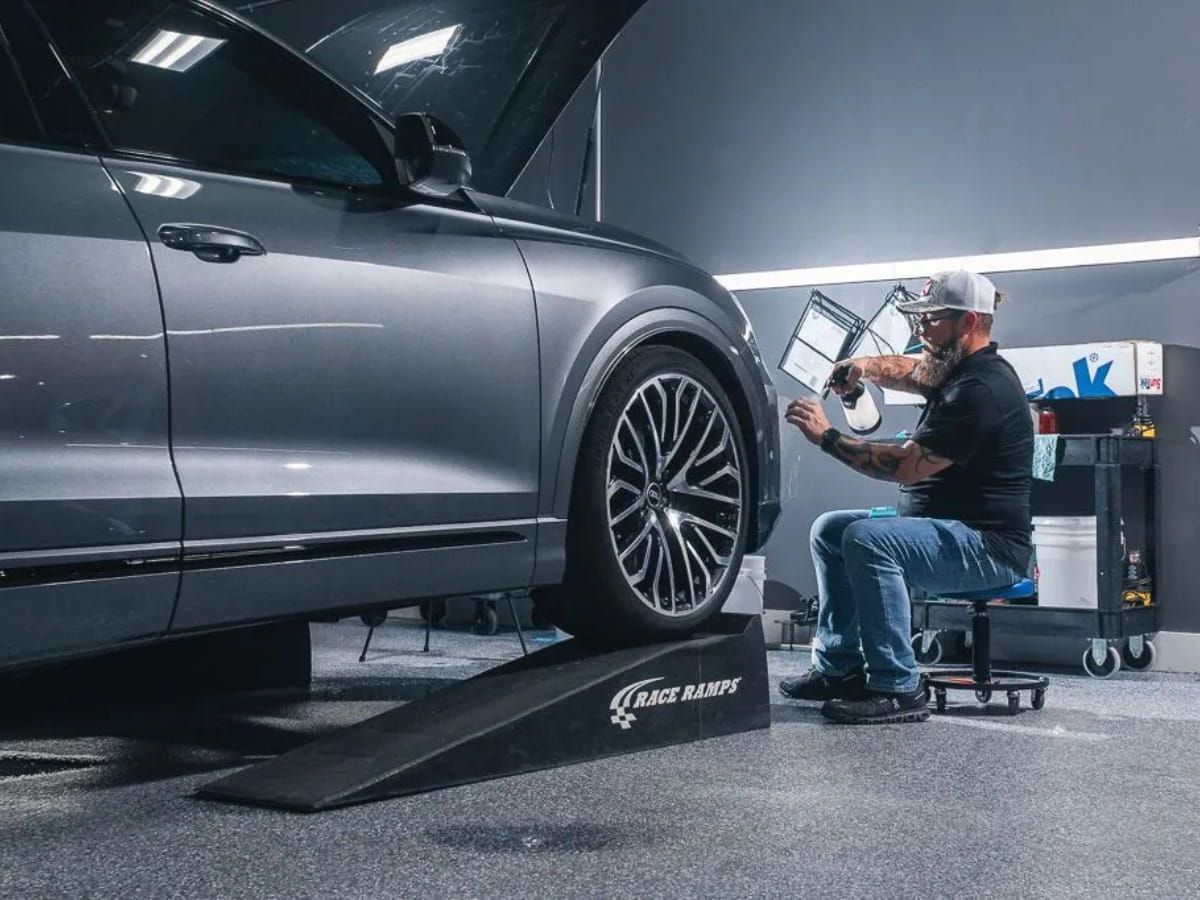
Think of PPF as a physical shield and ceramic coating as a protective surface treatment.
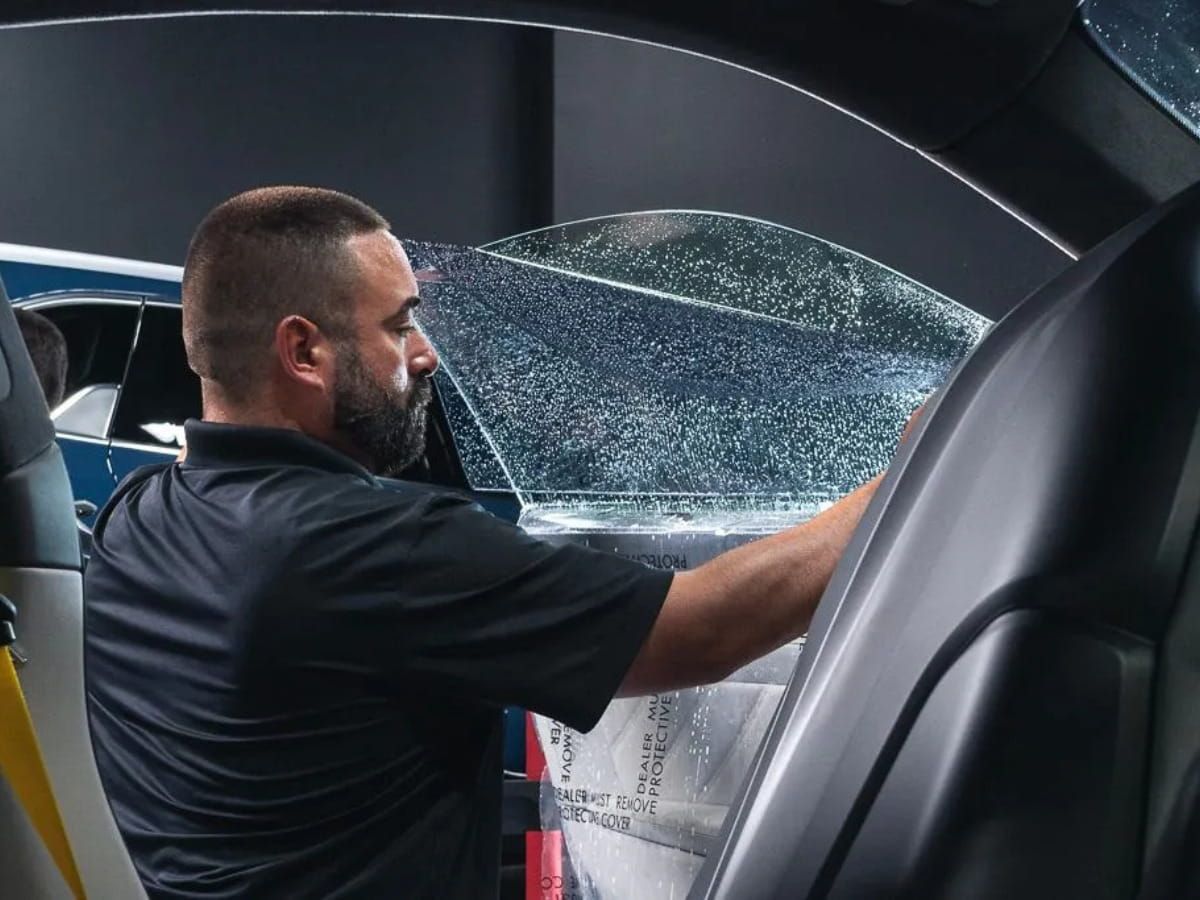
PPF is a transparent polyurethane film installed directly over painted surfaces.
Its job is to take the abuse that would otherwise reach the paint.
Depending on the product and coverage, PPF can help protect against:
- Rock chips,
- Gravel impact,
- Road debris,
- Minor scratches,
- Bug damage,
- Road tar,
- Surface abrasion.
Modern PPF can also incorporate self-healing technology for certain light scratches and surface marks. 3M, for example, describes its automotive PPF as protection against stone chips, scratches, bug damage, road tar and UV exposure, with self-healing properties.
Ceramic Coating creates a durable protective layer on the surface that improves water behavior and resistance to environmental contamination. It can also make routine washing easier by reducing how strongly dirt and grime adhere to the surface.
A ceramic coating can help protect your finish. It cannot make your paint chip-proof.
Why PPF Makes Sense for High-Value Vehicles
Luxury vehicle owners often have a different definition of "protection."
It's not just about keeping the paint glossy, but about preventing damage in the first place.
Imagine two identical new vehicles leaving a dealership.
One receives ceramic coating.
The other receives PPF on the front bumper, hood and other high-impact areas.
Both may look excellent when the work is completed.
After months of highway driving, however, the vehicle with PPF has a physical barrier between the road and its paint.
If gravel strikes the protected hood, the impact hits the film rather than directly hitting the painted surface.
That's the fundamental advantage of PPF.
It provides physical protection where physical damage is most likely to occur.
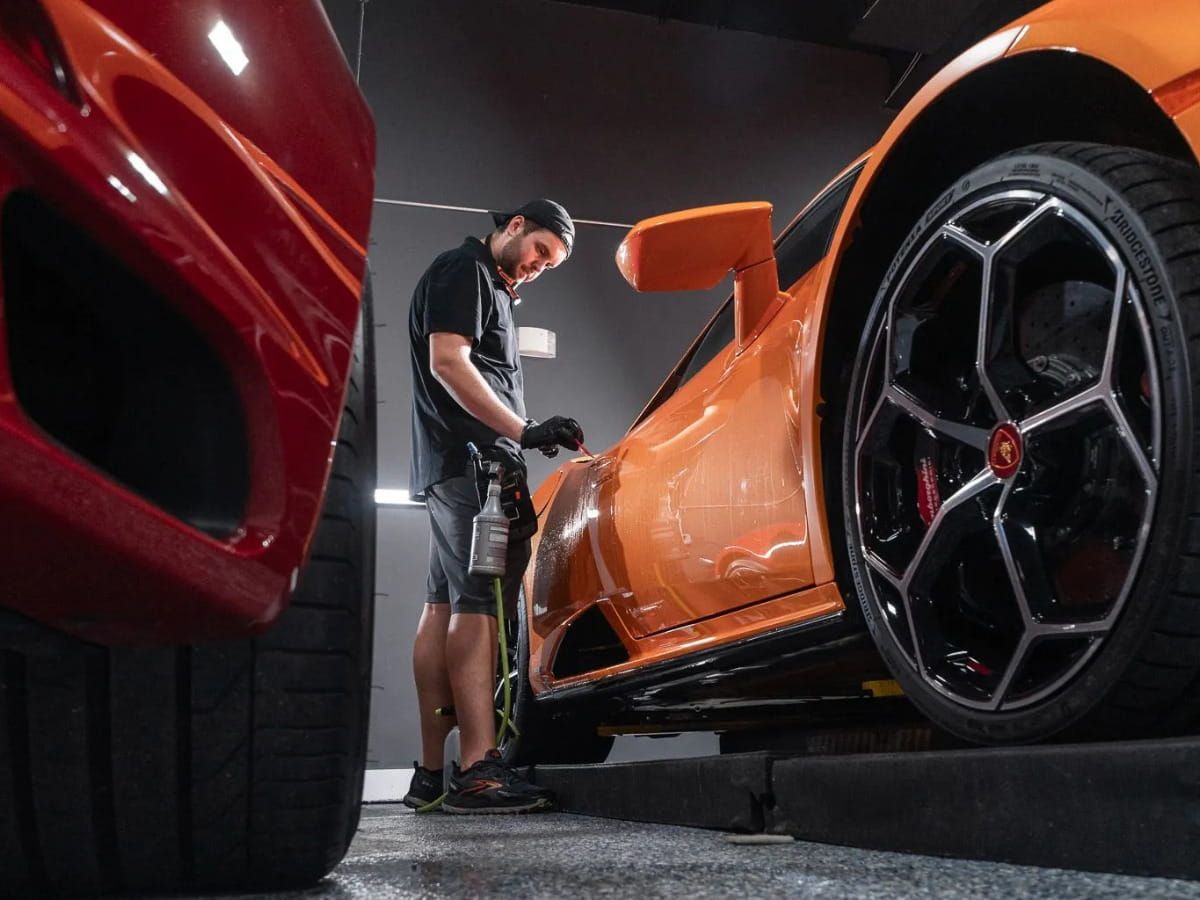
The Front End Is Especially Vulnerable
PPF doesn't necessarily have to cover every painted surface to be useful.
For many owners, the front end is the logical starting point.
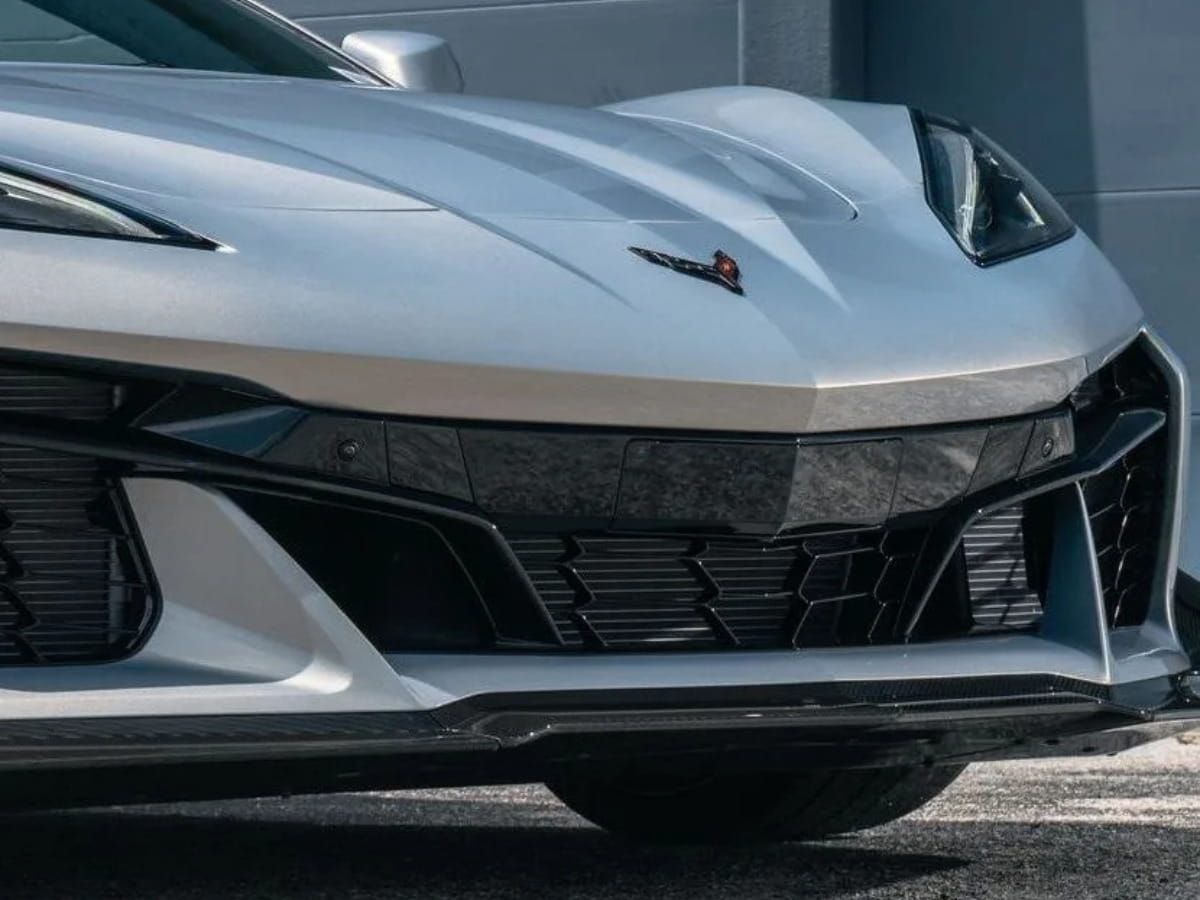
The leading surfaces of a vehicle face the greatest exposure to forward-moving debris, including:
- Front bumper,
- Hood,
- Front fenders,
- Side mirrors,
- Headlight areas,
- Rocker panels, depending on driving conditions.
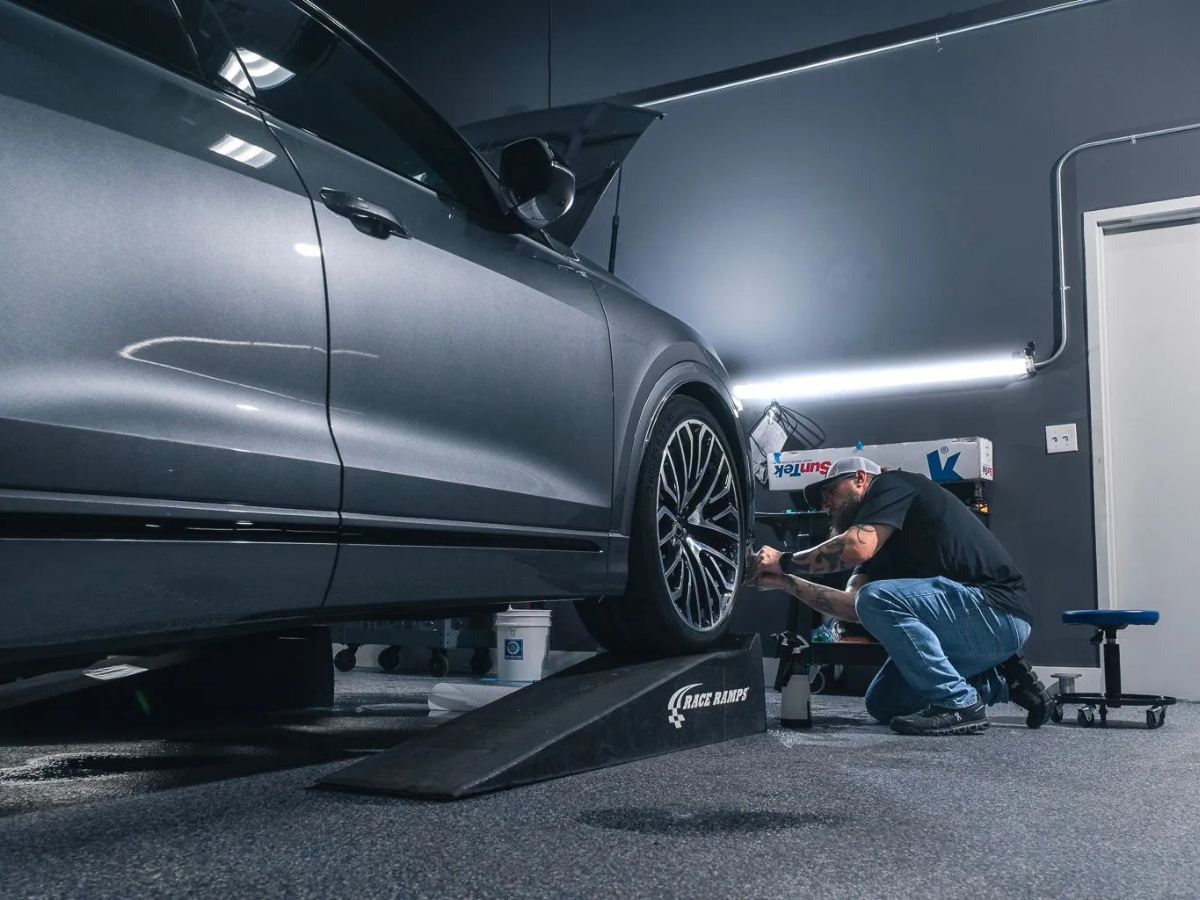
DC Auto Pros offers several PPF package options, including a quarter-front package, allowing owners to choose coverage based on their vehicle and priorities.
The right coverage depends on how the vehicle is driven, where it is driven and how much of the original finish the owner wants to preserve.
For a luxury vehicle used primarily around town, partial coverage may be sufficient.
For a vehicle regularly driven on highways, gravel roads or long-distance trips, broader coverage may be worth considering.
What Ceramic Coating Does Better
Choosing PPF doesn't mean ceramic coating has become unnecessary.
In fact, the two can work extremely well together.
Ceramic coating offers advantages that PPF alone doesn't necessarily provide across the entire vehicle.
A ceramic coating can help:
- Make washing easierIts hydrophobic properties encourage water to bead and run off the surface, while contaminants can be easier to remove during proper washing.
- Improve glossA quality coating can enhance the visual depth and gloss of a properly prepared finish.
- Provide environmental protectionCeramic coatings are designed to resist environmental contamination and chemical exposure better than unprotected paint.
- Simplify ongoing maintenanceA coated vehicle can be easier to keep clean, which is particularly valuable for owners who want their luxury vehicle looking its best without constantly spending hours maintaining it.
This is why the question doesn't always have to be PPF or ceramic coating.
Sometimes the better answer is PPF and ceramic coating.
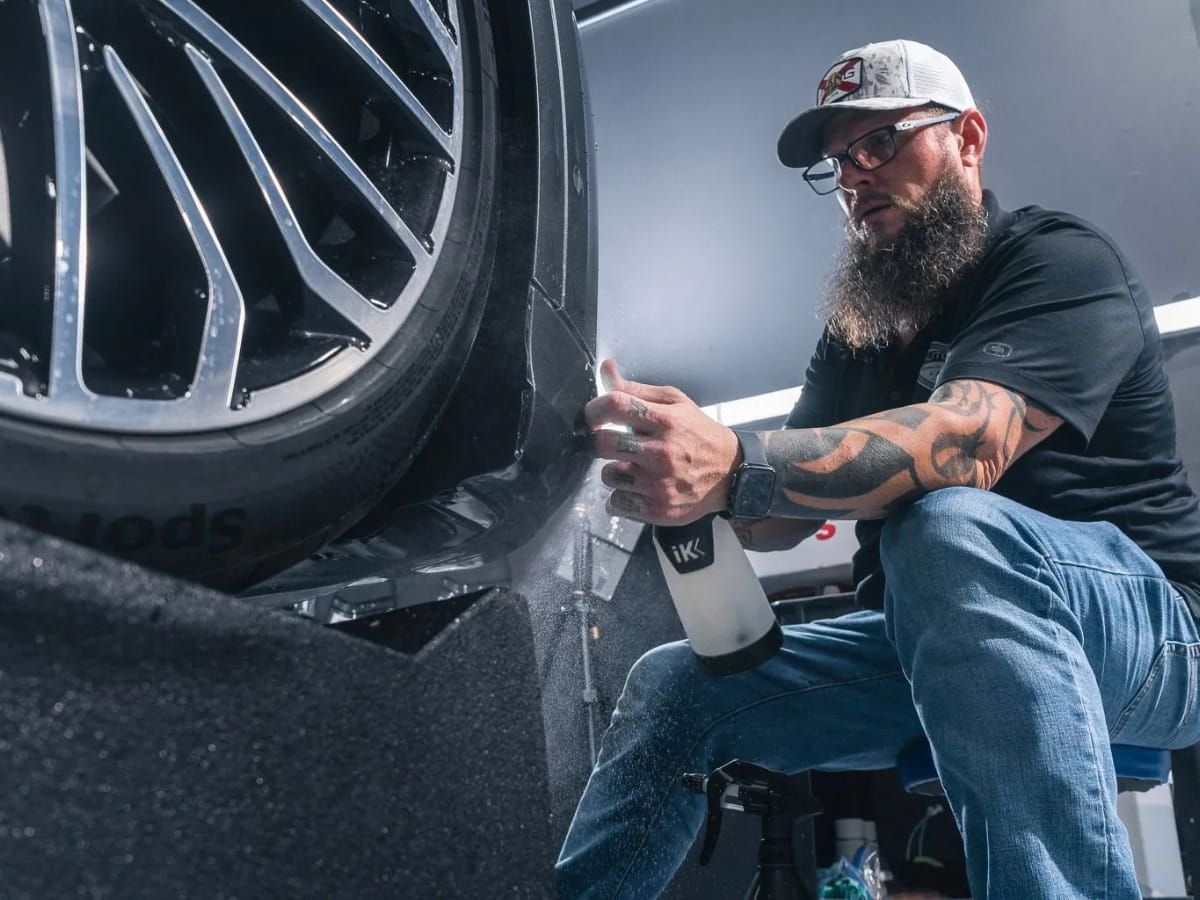
Why Many Owners Combine PPF and Ceramic Coating
For a high-value vehicle, combining the two technologies can create a more comprehensive protection strategy.
A common approach is:
PPF on high-impact painted areas + ceramic coating on the remaining exterior surfaces and, where appropriate, over the PPF.
The PPF provides physical protection against road debris.
The ceramic coating provides hydrophobic and surface-protection benefits.
Together, they address two very different categories of damage.
The distinction is important because ceramic coating does not replace PPF when the concern is rock impact.
And PPF doesn't eliminate the need for routine washing and maintenance.
It's not about choosing the product with the biggest marketing claims.
It's about matching the protection to the risks your vehicle actually faces.
What About Iowa Winter?
Winter is one more reason Des Moines drivers should think about paint protection strategically.
Road salt and winter grime aren't the same threat as a flying rock, but they can create their own maintenance challenges.
Salt and other contaminants should be removed regularly rather than allowed to remain on the vehicle.
This is where ceramic coating can complement PPF particularly well.
The PPF helps protect vulnerable paint from physical impact, while ceramic coating can make the vehicle's surfaces easier to clean and more resistant to environmental contamination.
Neither product eliminates the need for washing.
Protection works best when it's paired with proper maintenance.
Does PPF Make Sense on a Daily-Driven Luxury Vehicle?
A luxury vehicle that spends most of its time in a climate-controlled garage and only comes out for occasional weekend drives has a different risk profile from a luxury SUV driven 20,000 miles a year.
Ask yourself:
- How many miles do I drive?
- Do I regularly use highways?
- Do I travel on gravel roads?
- Is the vehicle driven year-round?
- How long do I plan to keep it?
- How important is preserving the original paint?
- Would a few visible rock chips bother me?
- Do I want to maintain the vehicle's appearance for resale or future ownership?
The answers are more useful than simply asking whether PPF is "worth it."
What If the Vehicle Is Brand New?
A new vehicle is often one of the best candidates for PPF because the paint is still in excellent condition.
Instead of waiting for chips and scratches to accumulate and then correcting the damage, owners can protect the finish before those defects occur.
That doesn't mean every new luxury vehicle needs full-body PPF.
A tailored approach can make more sense.
For example, an owner may choose:
Front-end PPF for impact protection + ceramic coating for easier maintenance across the vehicle.
Another owner who drives extensively may prefer broader PPF coverage.
The right solution depends on the vehicle and its use.
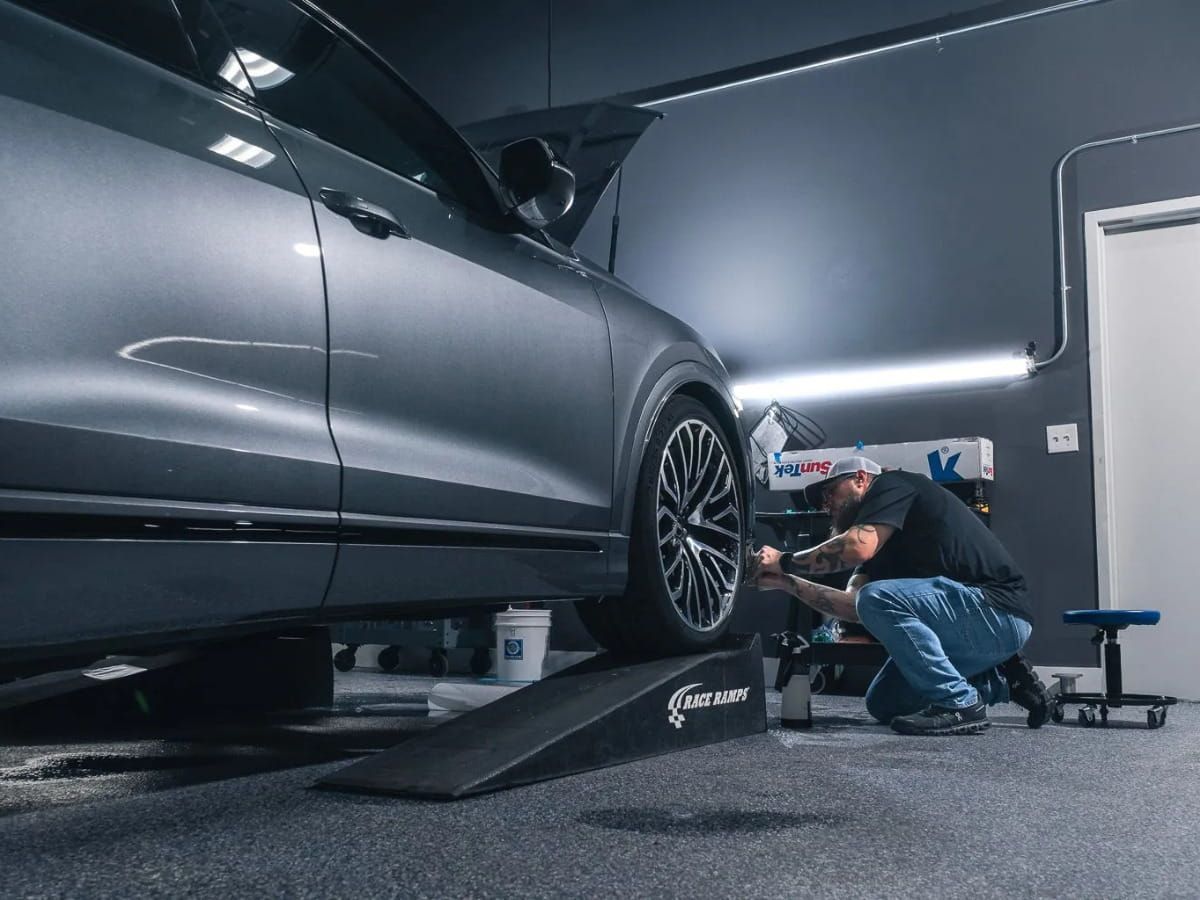
Why Does PPF Make Sense for Luxury Vehicles in Des Moines?
The answer comes down to risk and replacement cost.
Luxury vehicles often have expensive finishes and owners who place a high value on maintaining their appearance.
Des Moines-area driving can expose those finishes to gravel, road debris, winter conditions and highway hazards.
PPF directly addresses one of the biggest concerns: physical damage to the paint.
Ceramic coating addresses a different set of concerns: contamination, water behavior, gloss and easier maintenance.
That's why PPF can be particularly attractive to luxury vehicle owners—but it doesn't necessarily make ceramic coating obsolete.
For many vehicles, the strongest strategy is to use each product where it performs best.
Protect Your Vehicle for the Roads You Actually Drive
At DC Auto Pros Des Moines, we don't believe every vehicle needs the same protection package.
A daily driver, weekend sports car, luxury SUV and collector vehicle can have entirely different needs.
The goal is to match the service to your vehicle, driving habits and priorities.
DC Auto Pros offers both Paint Protection Film and Ceramic Coating in Des Moines, along with paint correction, full detailing and window tinting.
Our company serves Des Moines and surrounding communities including Grimes, Urbandale, Waukee, West Des Moines, Ankeny, Johnston, Clive, Saylorville, Altoona, Adel and Lake Panorama.
If you're protecting a new luxury vehicle, or trying to preserve the finish on one you've owned for years, the best place to start isn't with a package name.
Start with the vehicle, how you drive it and what you're trying to protect.
Then choose the protection that actually addresses those risks.
The Bottom Line
PPF and ceramic coating aren't competing technologies.
PPF is the stronger choice when physical damage from rocks, gravel and road debris is the primary concern. Ceramic coating is better suited to surface protection, hydrophobic performance, gloss and easier maintenance.
For many luxury vehicles in the Des Moines area, a combination of PPF on high-impact areas and ceramic coating for broader surface protection can provide a more complete approach.
If preserving your vehicle's original paint matters to you, it's worth discussing your driving habits before choosing a protection package.
Contact DC Auto Pros Des Moines to discuss PPF, ceramic coating or a combination of both for your vehicle.