Should You Get PPF or Ceramic Coating First? The Answer Depends on Your Vehicle
When vehicle owners start researching paint protection, one question comes up almost immediately: Should I get Paint Protection Film (PPF) or Ceramic Coating first?
The short answer is simple: If you're planning to install both, PPF should almost always come first.
However, the real answer is more nuanced because the right protection strategy depends on your vehicle, how you drive it, where you park it, and what you're trying to protect against.
At DC Auto Pros Des Moines, we regularly help drivers throughout Des Moines, West Des Moines, Ankeny, Waukee, Urbandale, Johnston, Clive, and surrounding communities determine which protection solution makes the most sense for their specific vehicle.
Before deciding, it's important to understand what each product actually does, and what it doesn't do.
Understanding the Difference Between PPF and Ceramic Coating
One of the biggest misconceptions in the automotive protection industry is that ceramic coating and PPF do the same thing.
They don't.
While both protect your vehicle's finish, they solve very different problems.
What Paint Protection Film Does
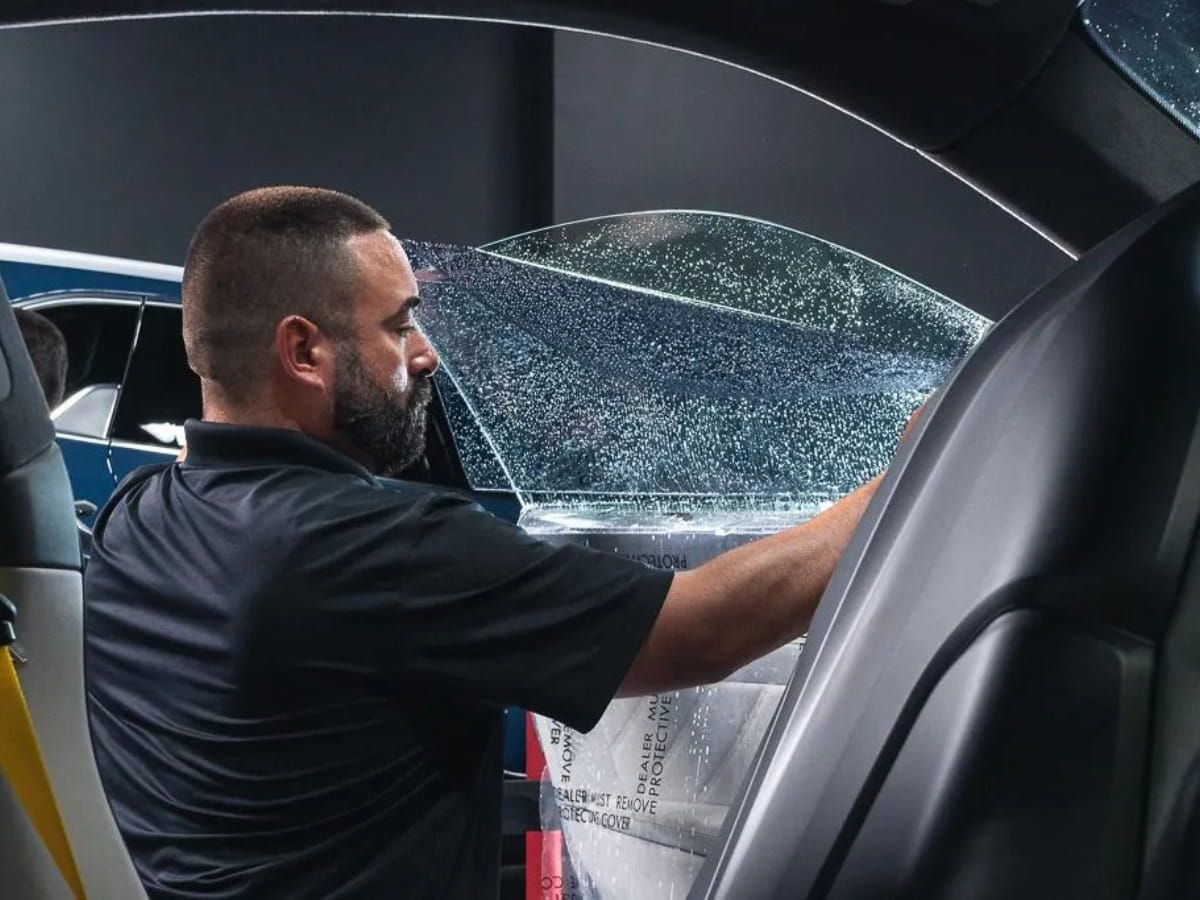
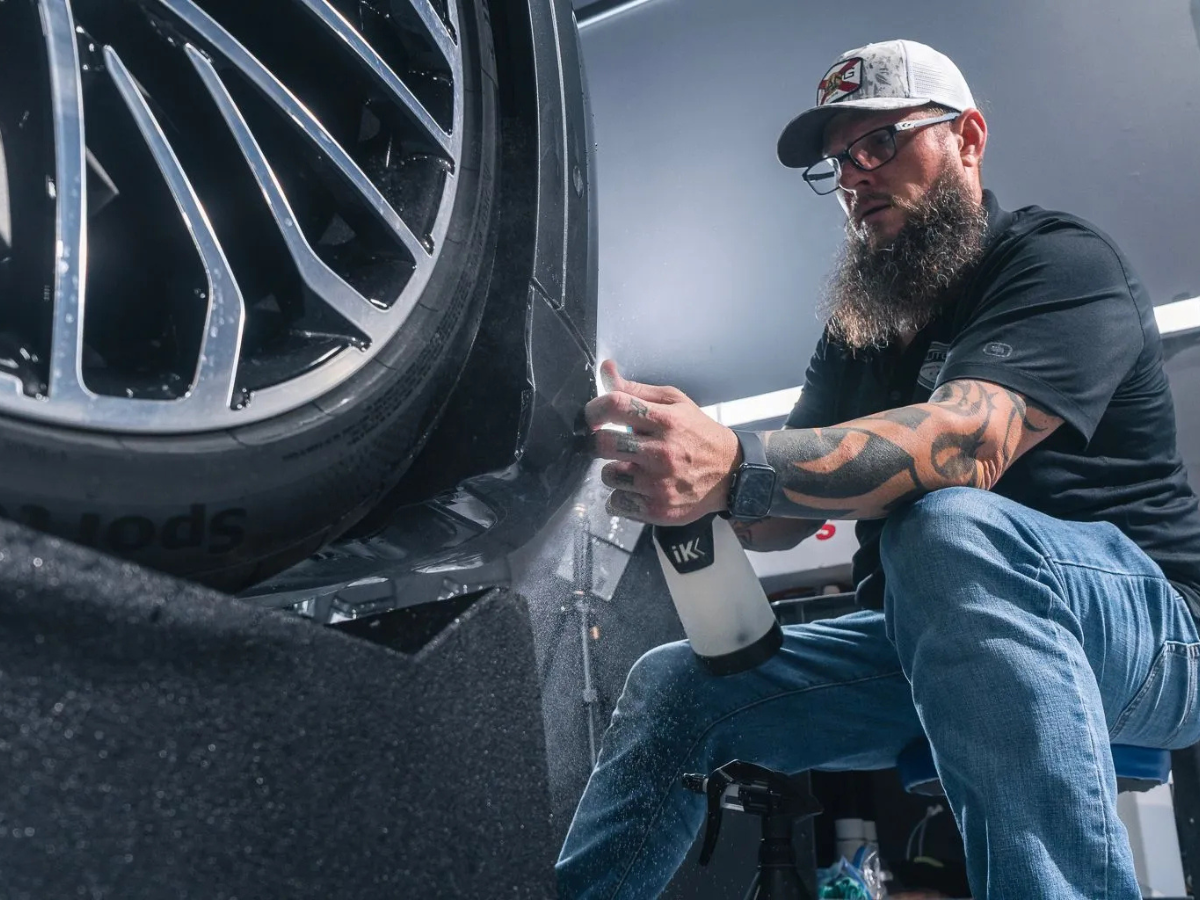
Paint Protection Film (PPF) is a transparent polyurethane film applied directly to painted surfaces. Its primary purpose is physical protection.
PPF helps defend against:
- Rock chips
- Road debris
- ·Gravel impacts
- ·Minor scratches
- Bug splatter
- Road salt
- Surface abrasions
Modern premium films also feature self-healing properties that allow light scratches and swirl marks to disappear with heat exposure.
What Ceramic Coating Does
Ceramic coating is a liquid protective layer that chemically bonds to the vehicle's exterior surfaces. Its primary purpose is environmental protection and easier maintenance.
A professional ceramic coating helps:
- Repel water
- Reduce dirt buildup
- Resist UV damage
- Minimize oxidation
- Improve gloss
- Make washing easier
However, ceramic coating does not stop rock chips or physical impact damage. That's where many vehicle owners get confused.
Why PPF Should Usually Be Installed First
If you intend to invest in both services, the proper installation order is:
- Paint Correction (if needed)
- Paint Protection Film
- Ceramic Coating
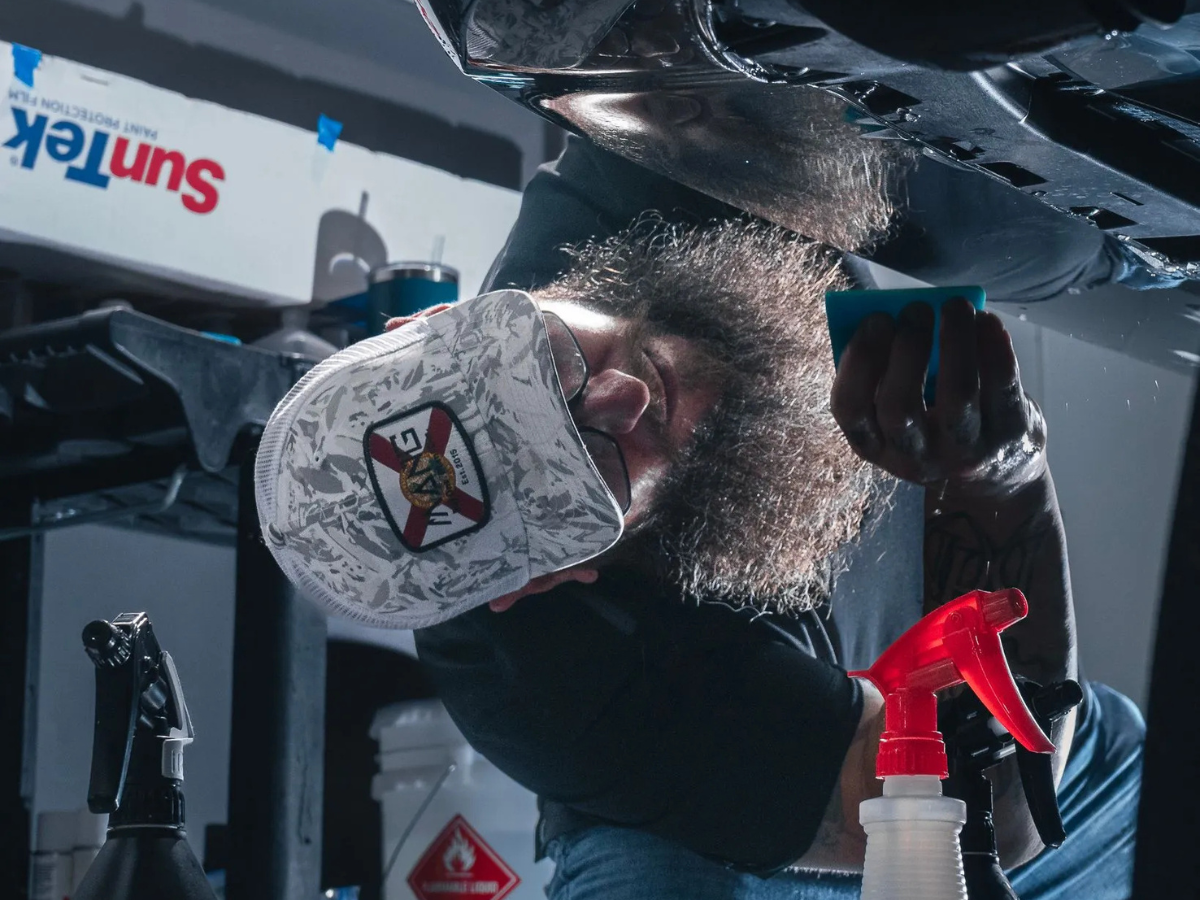
There's a very practical reason for this sequence. PPF needs to bond directly to the vehicle's paint surface.
If the ceramic coating is installed first, the film may not adhere properly because the coating creates a protective barrier between the paint and the adhesive layer of the film.
Installing ceramic coating before PPF often means portions of the coating must be removed before the film can be applied correctly.
In other words, coating first can create unnecessary labor and additional costs.
When PPF Makes the Most Sense
Not every vehicle faces the same risks. For some drivers around Des Moines, PPF delivers the most considerable value.
Daily Highway Commuters
If your commute involves I-35, I-80, I-235, Highway 141, or rural highways around Central Iowa, your vehicle encounters a constant stream of road debris. Rock chips occur most frequently on front bumpers, hoods, fenders, mirror caps, and headlights.
New Vehicles
Many owners choose PPF immediately after purchasing a new vehicle. This approach protects factory paint before damage occurs, rather than trying to correct damage later.
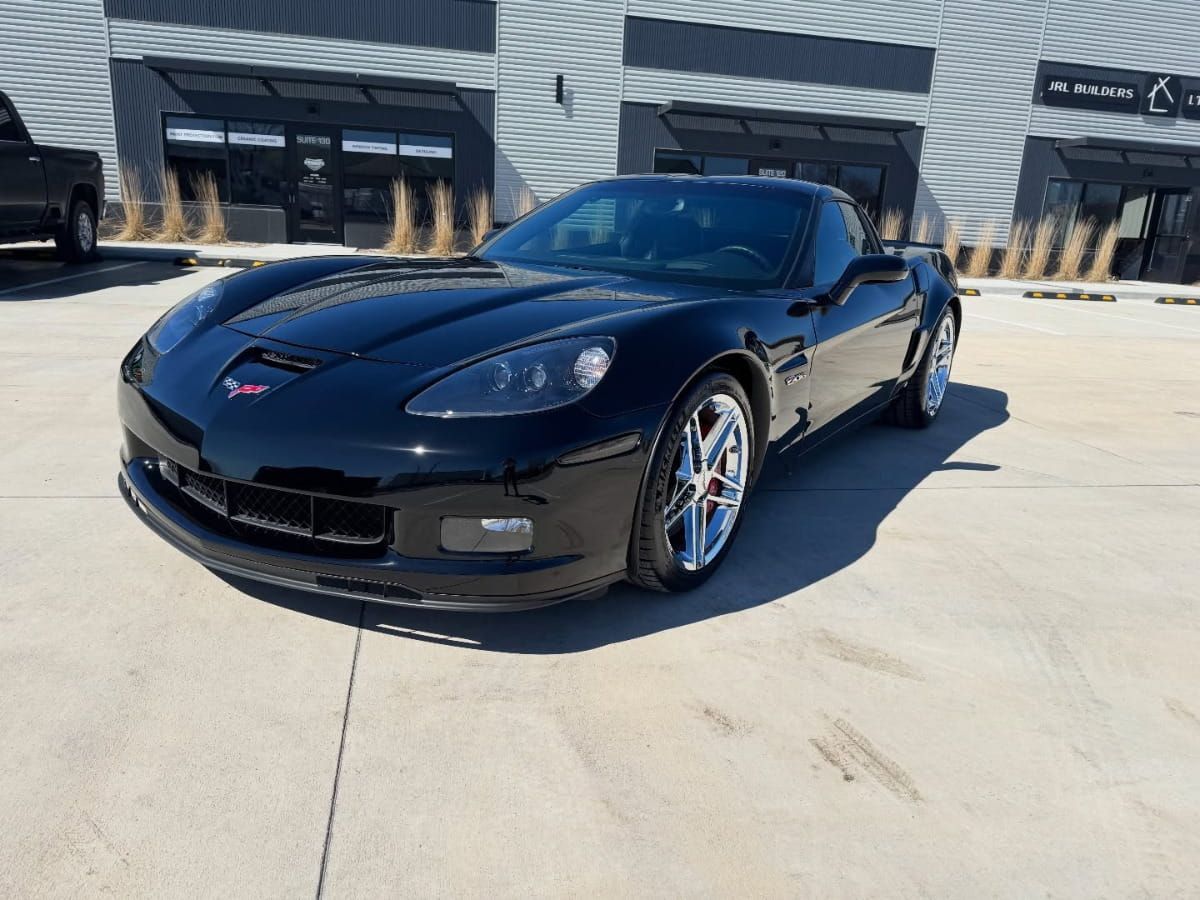
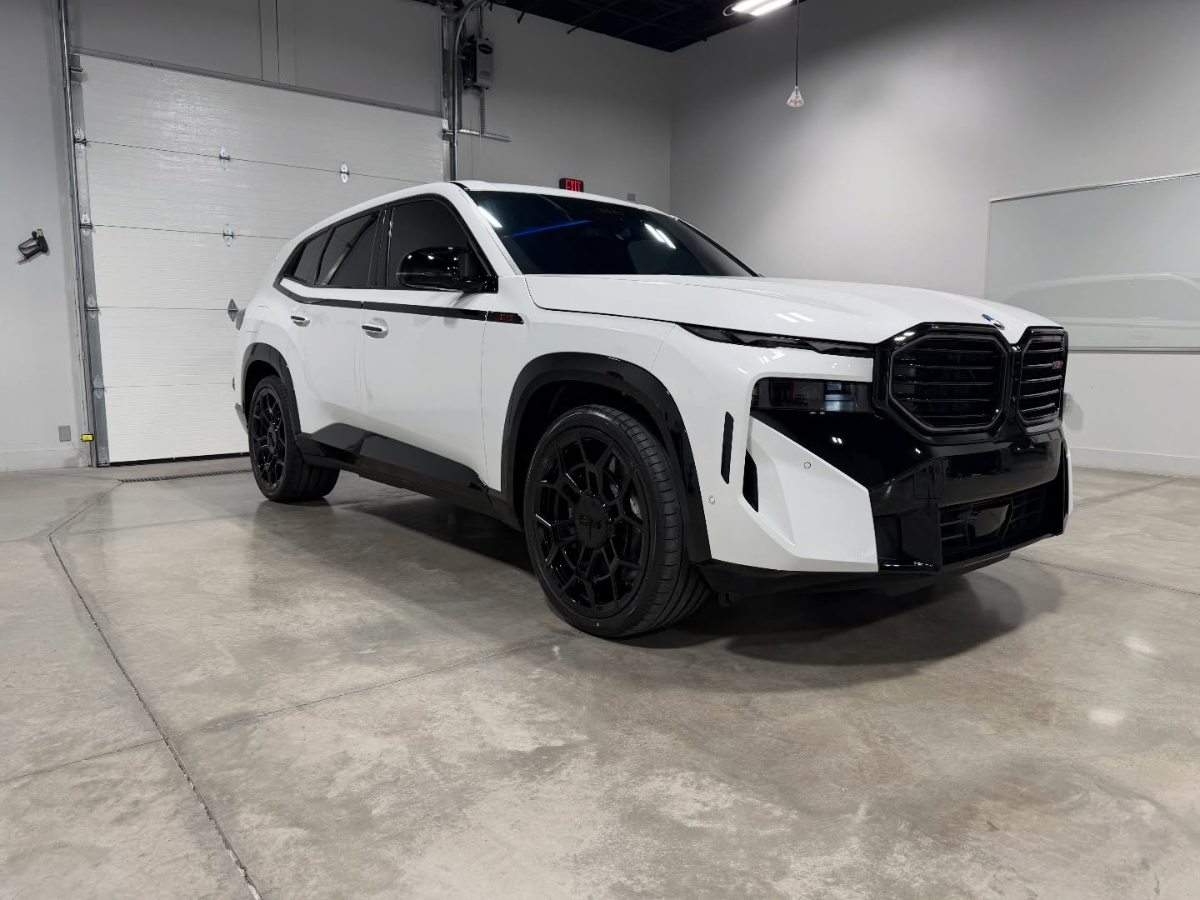
Luxury and Performance Vehicles
Owners of premium vehicles often prioritize preserving resale value and appearance. Examples include:
- Tesla models
- BMW
- Mercedes-Benz
- Porsche
- Audi
- Corvette
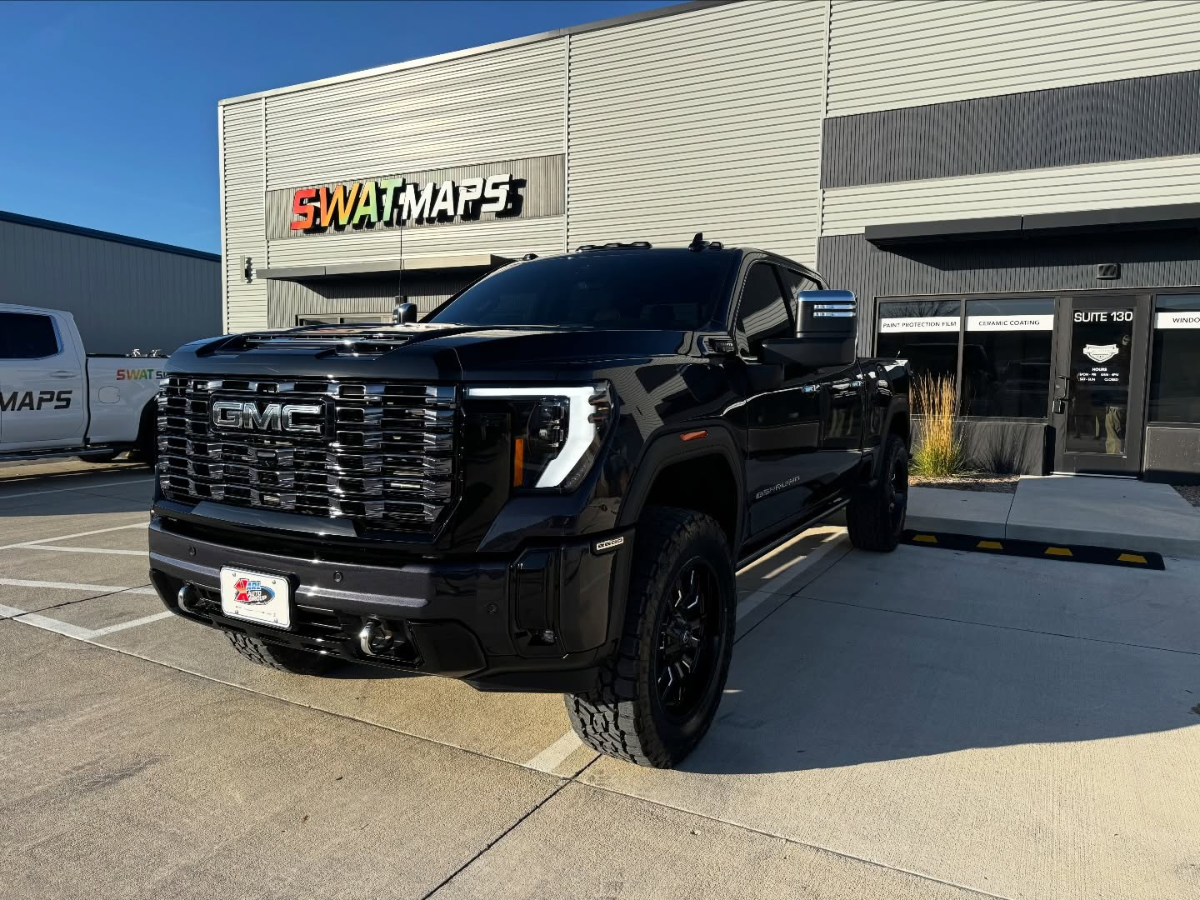
- High-end trucks and SUVs
For these vehicles, protecting vulnerable impact areas is often a top priority.
When Ceramic Coating Might Be Enough
Not every vehicle needs full paint protection film coverage. Some owners are more concerned about gloss retention, easier maintenance, water repellence, or UV protection than physical impact damage. In these situations, ceramic coating alone may be the better investment.
Garage-Kept Vehicles
Vehicles stored indoors typically face less environmental exposure.
Lower-Mileage Vehicles
Cars driven occasionally often experience fewer rock-chip risks.
Owners Focused on Appearance
Many customers simply want better shine, easier washing, reduced contamination, or long-term paint preservation. Ceramic coating excels in these areas.
The Best Solution: Combining Both
For many vehicles, the ideal answer isn't choosing one or the other, but using both together. This is especially true for newer vehicles. A common strategy looks like this:
PPF on High-Impact Areas
Film is applied to the front bumper, full hood, front fenders, mirrors, and headlights. These areas receive the majority of road impact damage.
Ceramic Coating Over Everything
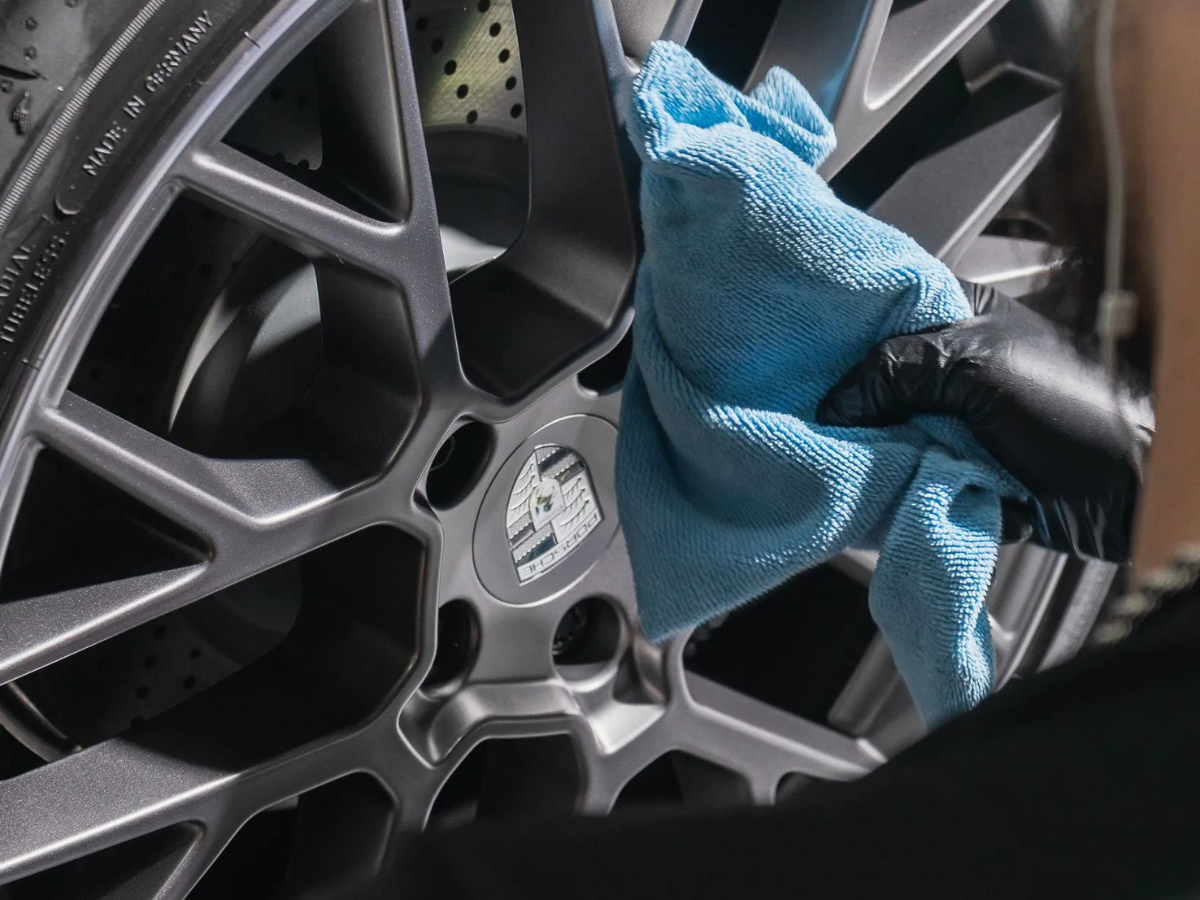
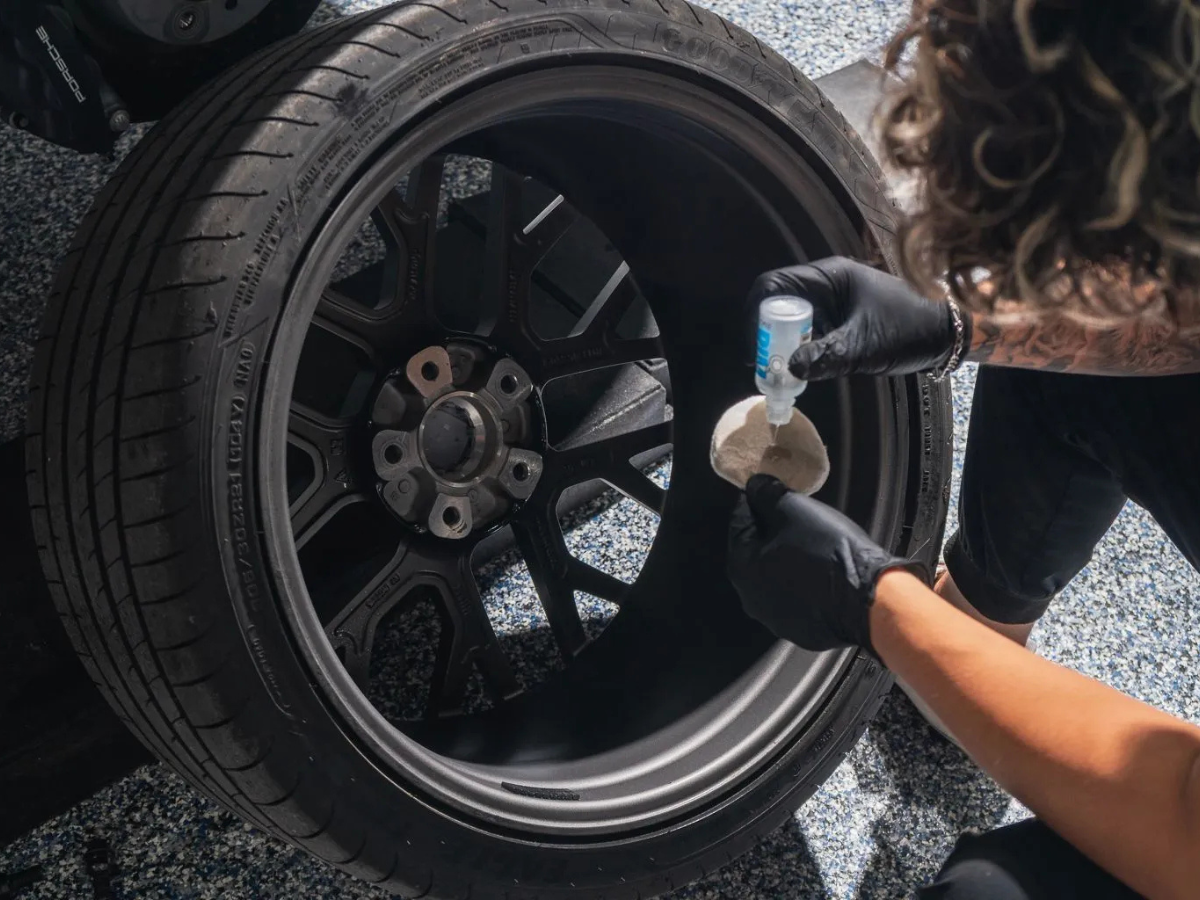
After film installation, ceramic coating can be applied to paint, PPF, wheels, glass, and trim, which creates a complete protection system. The film handles physical damage, while the coating handles environmental exposure and maintenance.
Iowa Weather Makes the Decision More Important
Vehicle owners in Iowa face unique challenges throughout the year.
Winter Road Salt
Road salt can accelerate deterioration and contaminate paint surfaces.
Gravel Roads
Many areas surrounding Des Moines expose vehicles to loose gravel and debris.
Temperature Swings
Iowa's extreme seasonal changes place constant stress on vehicle finishes.
Summer UV Exposure
Strong sunlight contributes to oxidation and paint aging.
Because of these conditions, many Iowa drivers find that combining PPF and ceramic coating provides the most comprehensive long-term protection.
Which Vehicles Benefit Most From Each Option?
Consider PPF First, If:
- You drive highways frequently
- Your vehicle is brand new
- You own a luxury or performance vehicle
- You want maximum protection against rock chips
- You plan to keep the vehicle long-term
Consider Ceramic Coating First If:
- Appearance is your main concern
- Your vehicle is garage-kept
- You drive relatively low annual mileage
- You want easier maintenance
- You are working within a specific budget
Consider Both If:
- You want maximum protection
- Your vehicle has significant value
- You want the easiest ownership experience
- You intend to preserve resale value
The Right Protection Strategy Starts With the Vehicle
The question isn't really whether PPF or ceramic coating is better. The real question is: What does your vehicle need protection from?
A daily-driven truck commuting across Iowa highways faces different risks than a weekend sports car or a garage-kept luxury SUV.
At DC Auto Pros Des Moines, we help vehicle owners throughout Des Moines, West Des Moines, Waukee, Ankeny, Urbandale, Johnston, Clive, Altoona, Adel, and surrounding communities build protection packages based on how their vehicles are actually used.
Whether you're considering Paint Protection Film, Ceramic Coating, Window Tint, or a complete vehicle protection package, our team can help you determine the right solution for your vehicle, driving habits, and long-term goals.
Protect Your Vehicle the Smart Way
Not sure whether PPF, Ceramic Coating, or a combination of both is right for your vehicle? Contact DC Auto Pros Des Moines today for a personalized consultation. We'll evaluate your vehicle, discuss how you drive, and recommend a protection strategy designed to keep your car looking its best for years to come.
Frequently Asked Questions
Can ceramic coating be applied over PPF?
Yes. In fact, this is one of the most common professional installation approaches. Ceramic coating can enhance the appearance of PPF and make it easier to maintain.
Will ceramic coating prevent rock chips?
No. Ceramic coating helps protect against contaminants and UV exposure but does not provide impact resistance.
Does PPF eliminate the need for ceramic coating?
Not necessarily. PPF protects against physical damage, while ceramic coating improves hydrophobic performance, gloss, and ease of maintenance.
Should older vehicles get PPF?
It depends on the paint condition. Many older vehicles benefit from paint correction before any protection product is installed.
How long do PPF and ceramic coatings last?
Longevity depends on the specific products used, maintenance habits, driving conditions, and environmental exposure. Professionally installed systems typically provide years of protection when properly maintained.