The Hidden Cost of Iowa Gravel Roads on Your Vehicle's Paint
Living in Iowa comes with plenty of advantages, such as beautiful countryside, scenic back roads, and easy access to rural communities. But if you regularly drive outside Des Moines, chances are you've spent plenty of time on gravel roads.
Most drivers think gravel is simply a little dusty or an occasional inconvenience.
The reality is far more expensive.
Every mile you drive on gravel roads exposes your vehicle to thousands of tiny impacts that slowly wear away your paint, damage your clear coat, and reduce your vehicle's long-term value. Unlike a major accident, this damage happens gradually, making it easy to overlook until it's too late.
At DC Auto Pros Des Moines, we've seen firsthand how Iowa's roads affect vehicles of every make and model. Whether you drive through Des Moines, Waukee, Ankeny, Johnston, Grimes, Adel, Altoona, Clive, Saylorville, West Des Moines, or Lake Panorama, understanding what gravel does to your vehicle is the first step toward protecting it.
Let's have a closer look.
Why Gravel Roads Are Tougher on Paint Than You Think
Gravel roads aren't just made up of smooth stones.
They're a mixture of crushed rock, sand, dirt, dust, and loose aggregate of varying sizes.
As your tires roll over these materials, they constantly throw debris into the air.
Your own tires create impact.
Passing vehicles create even more.
Those tiny rocks can strike your vehicle at highway speeds, repeatedly impacting the:
- Front bumper,
- Hood,
- Lower doors,
- Rocker panels,
- Side mirrors,
- Fender flares.
One impact may leave little visible damage.
Thousands of impacts over months or years tell a very different story.
Rock Chips Are Only Part of the Problem
Most drivers immediately think about rock chips.
While chips are certainly common, they're only one form of gravel-related damage.
Repeated exposure also causes:
- Fine scratches,
- Clear coat abrasion,
- Surface dulling,
- Paint marring,
- Reduced gloss.
Think of gravel as sandpaper. One pass doesn't change much, but repeated contact slowly wears the surface away.
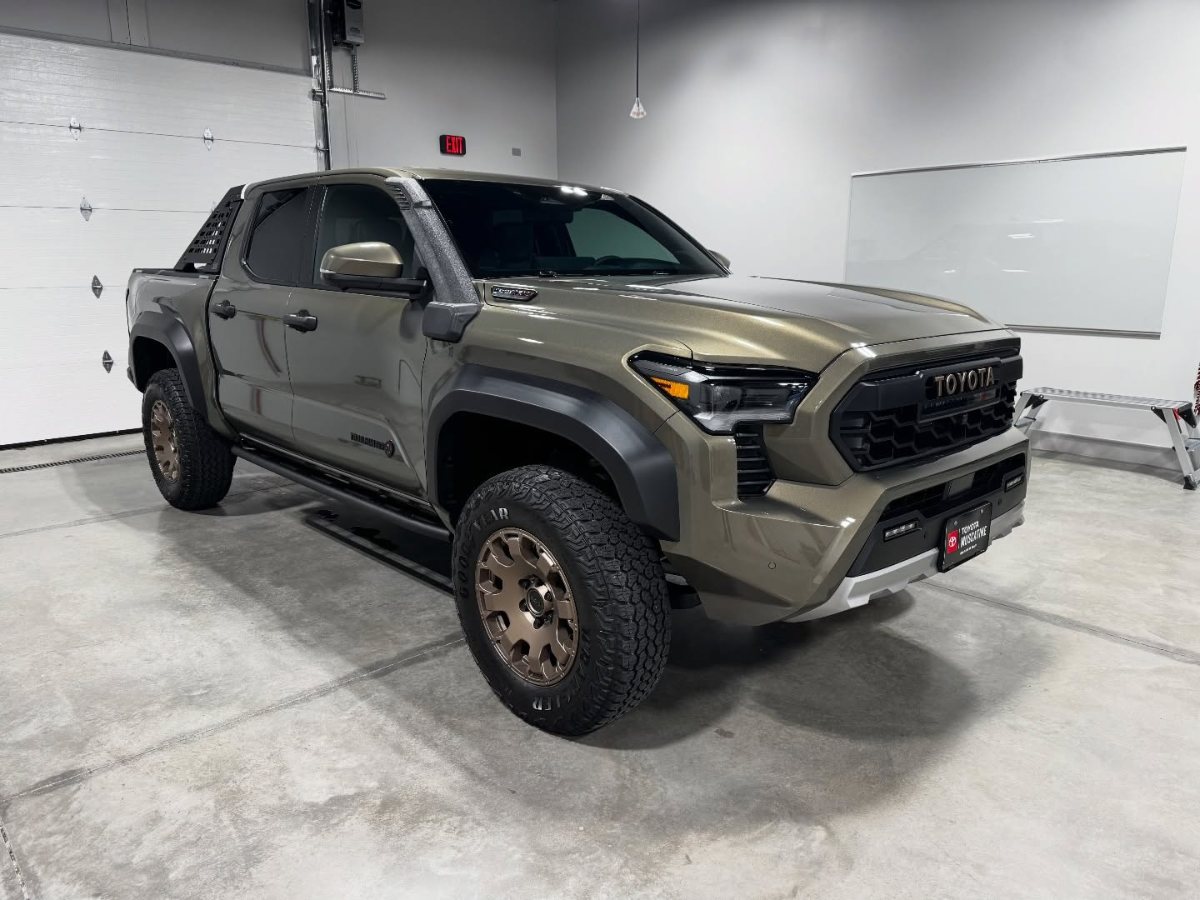
Dust Is More Harmful Than It Looks
Gravel roads also produce enormous amounts of dust.
That dust doesn't simply sit on your vehicle.
It often contains tiny mineral particles capable of creating microscopic scratches during improper washing or wiping.
One of the most common mistakes vehicle owners make is trying to wipe dusty paint with a dry towel.
Even though the dust feels soft, those trapped particles can leave behind swirl marks and fine scratches.
Proper washing techniques become even more important for vehicles regularly driven on rural Iowa roads.
Iowa Weather Makes Gravel Damage Worse
Driving on gravel would already be challenging enough. Unfortunately, Iowa weather adds another layer of difficulty.
Seasonal conditions often include:
- Heavy spring rains,
- Mud,
- Dry summer dust,
- High winds,
- Winter snow and ice,
- Freeze-thaw cycles.
Rain creates muddy grit that sticks to paint.
Summer heat bakes contaminants onto the surface.
Winter introduces road salt and sand.
Together, these environmental factors accelerate paint wear throughout the year.
Gravel Doesn't Only Affect Paint
Many vehicle owners focus on visible paint damage while overlooking other vulnerable areas.
Loose gravel frequently impacts:
- Windshields
Small stone impacts can quickly become large cracks after temperature changes.
- Headlights
Repeated impacts gradually reduce clarity and create tiny pits that scatter light.
- Wheels
Brake dust, gravel impacts, and road debris all contribute to cosmetic wear.
- Lower Trim
Plastic trim pieces often receive constant abrasion from loose stones. Protecting these areas is just as important as protecting your paint.
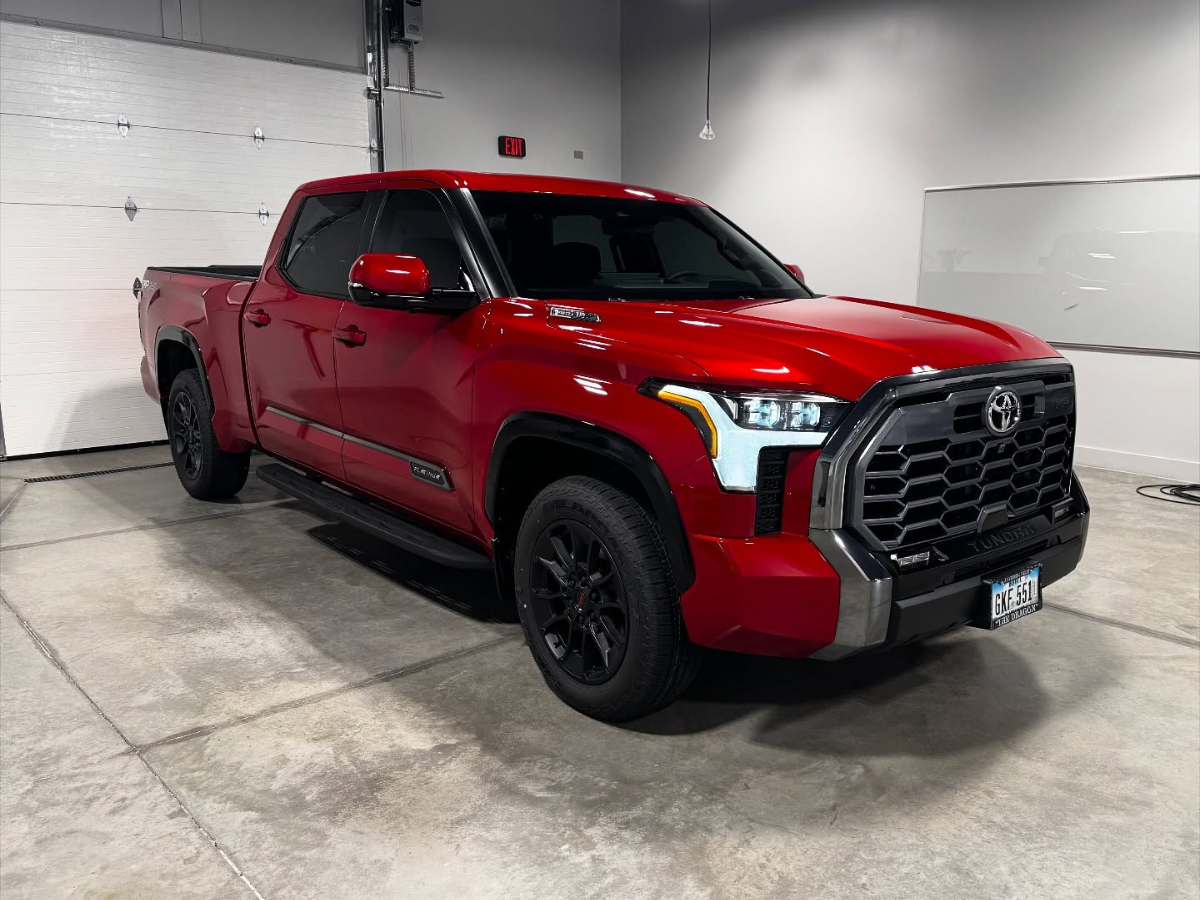
Why Some Vehicles Show Damage Faster
Not every vehicle ages the same way.
Several factors influence how quickly gravel damage becomes noticeable.
These include:
- Driving speed,
- Frequency of rural driving,
- Following distance behind other vehicles,
- Vehicle color,
- Existing paint condition,
- Maintenance habits.
Dark-colored vehicles often reveal chips and scratches more easily, while lighter colors may hide damage until it becomes more extensive.
Regardless of color, the clear coat experiences the same impacts.
Can Paint Correction Fix Gravel Damage?
Paint correction is an excellent solution for many surface defects, but it has limits.
Professional paint correction can often improve or remove:
- Swirl marks,
- Fine scratches,
- Surface oxidation,
- Water spot etching,
- Minor paint marring.
However, paint correction cannot replace missing paint.
Rock chips that penetrate through the clear coat generally require touch-up paint or refinishing before correction can restore surrounding clarity.
This is why prevention is often more cost-effective than repair.
Paint Protection Film: Your Best Defense Against Rock Chips
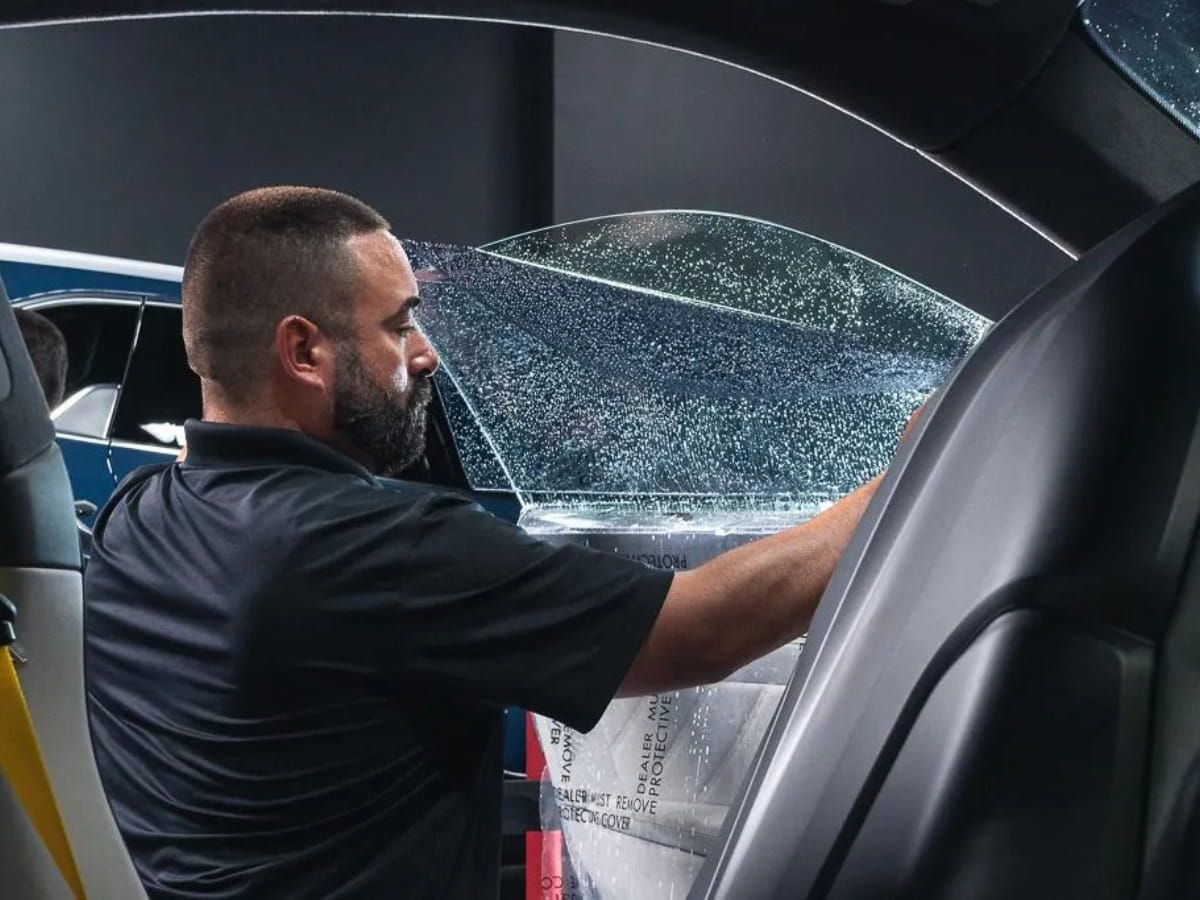
If your daily commute regularly includes gravel roads, Paint Protection Film (PPF) is one of the smartest investments you can make.
Unlike ceramic coatings, Paint Protection Film is specifically designed to absorb physical impacts.
Professional PPF helps protect vulnerable areas from:
- Rock chips,
- Road debris,
- Gravel impacts,
- Light abrasions,
- Minor scratches.
Many premium films also feature self-healing technology, allowing light surface scratches to disappear when exposed to heat.
For Iowa drivers, high-impact areas such as the front bumper, hood, fenders, mirror caps, and rocker panels benefit the most.
Where Ceramic Coating Fits In
Ceramic coating and Paint Protection Film are sometimes confused, but they serve different purposes.
Ceramic coating is designed to protect against environmental contaminants while making routine maintenance easier.
It helps resist:
- Dirt accumulation,
- Water spotting,
- UV exposure,
- Bird droppings,
- Tree sap,
- Road grime.
It also creates a highly hydrophobic surface that allows water and dirt to slide away more easily during washing.
However, ceramic coating should not be expected to stop flying gravel from chipping paint.
For drivers who frequently travel Iowa's gravel roads, the ideal protection strategy often combines Paint Protection Film on high-impact areas with ceramic coating over the rest of the vehicle.
Together, they provide comprehensive protection against both physical and environmental damage.
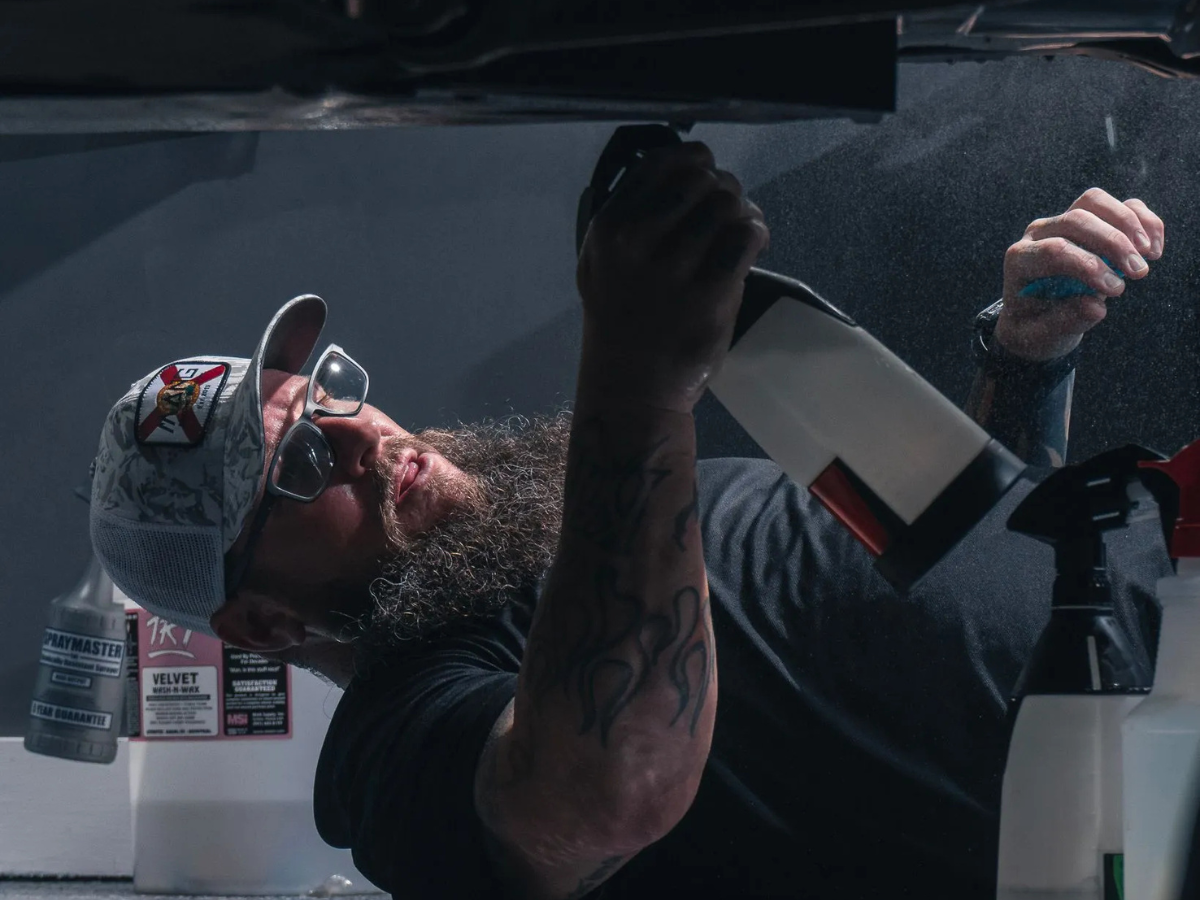
Simple Habits That Help Reduce Gravel Damage
While no vehicle can completely avoid gravel exposure, a few habits can reduce unnecessary wear.
Whenever possible:
● Increase your following distance on gravel roads.
● Reduce speed to minimize stone impacts.
● Wash your vehicle regularly to remove abrasive dust.
● Avoid wiping dry dust off the paint.
● Repair rock chips before moisture reaches exposed metal.
● Consider professional protection before damage occurs.
Small changes in driving and maintenance can make a significant difference over the life of your vehicle.
Protect Your Investment Before Damage Adds Up
Gravel roads are simply part of life in Iowa.
The damage they cause doesn't happen overnight, but it does happen.
Every small rock impact, every layer of dust, and every mile driven on loose aggregate gradually affects your vehicle's finish. Left unprotected, those minor imperfections can eventually lead to costly paint repairs, diminished appearance, and lower resale value.
At DC Auto Pros Des Moines, we help drivers throughout Des Moines, Waukee, West Des Moines, Ankeny, Johnston, Grimes, Clive, Adel, Altoona, Saylorville, Lake Panorama, and surrounding communities protect their vehicles with professional detailing, paint correction, ceramic coatings, Paint Protection Film, and premium window tinting.
Whether your vehicle spends its days navigating city streets or rural Iowa backroads, investing in the right protection today can help preserve its appearance, value, and finish for years to come.
Contact us today, and we’ll help you find the best solution to protect your car.