PPF on Highways: How Much Damage Does It Really Prevent?
If you drive regularly on I-80, I-35, or other busy Iowa highways, your vehicle's paint is exposed to more than everyday dirt. Gravel, loose road debris, construction particles, salt, bugs, and other contaminants can strike the front and sides of your vehicle at highway speeds.
That raises a practical question: How much damage can paint protection film (PPF) actually prevent?
The short answer is: PPF can significantly reduce many common forms of paint damage caused by road debris, but it is not an invincible shield. Its effectiveness depends on the type of impact, the area covered, the quality of the film, and professional installation.
What Happens to Your Paint on the Highway?
At highway speeds, small pieces of gravel and other debris can become surprisingly aggressive. When they hit painted surfaces, they can create:
- Rock chips,
- Small scratches and abrasions,
- Scuffs,
- Bug and road-tar staining,
- Repeated wear on high-impact areas.
The front bumper, hood, front fenders, mirrors, rocker panels, and areas behind the wheels are particularly exposed because they face or receive debris kicked up by surrounding traffic.
PPF is specifically designed to create a physical barrier between that debris and the vehicle's paint. Automotive PPF is typically made from flexible thermoplastic polyurethane and is engineered to resist impacts, scratches, environmental exposure, and staining.
So, How Much Damage Does PPF Prevent?
There isn't a reliable universal percentage such as "PPF prevents 90% of highway damage." Real-world protection varies with driving conditions, vehicle shape, film coverage, and the severity of an impact.
What PPF can do is absorb and take the punishment that would otherwise reach the paint.
A small stone that might chip the clear coat or paint can instead strike the film. Minor surface marks may also disappear through the film's self-healing properties when exposed to heat, depending on the specific product.
In practical terms, that means fewer exposed rock chips and less visible wear on the protected areas over thousands of highway miles.
Why Coverage Matters More Than Most Drivers Realize
PPF only protects the surfaces it covers.
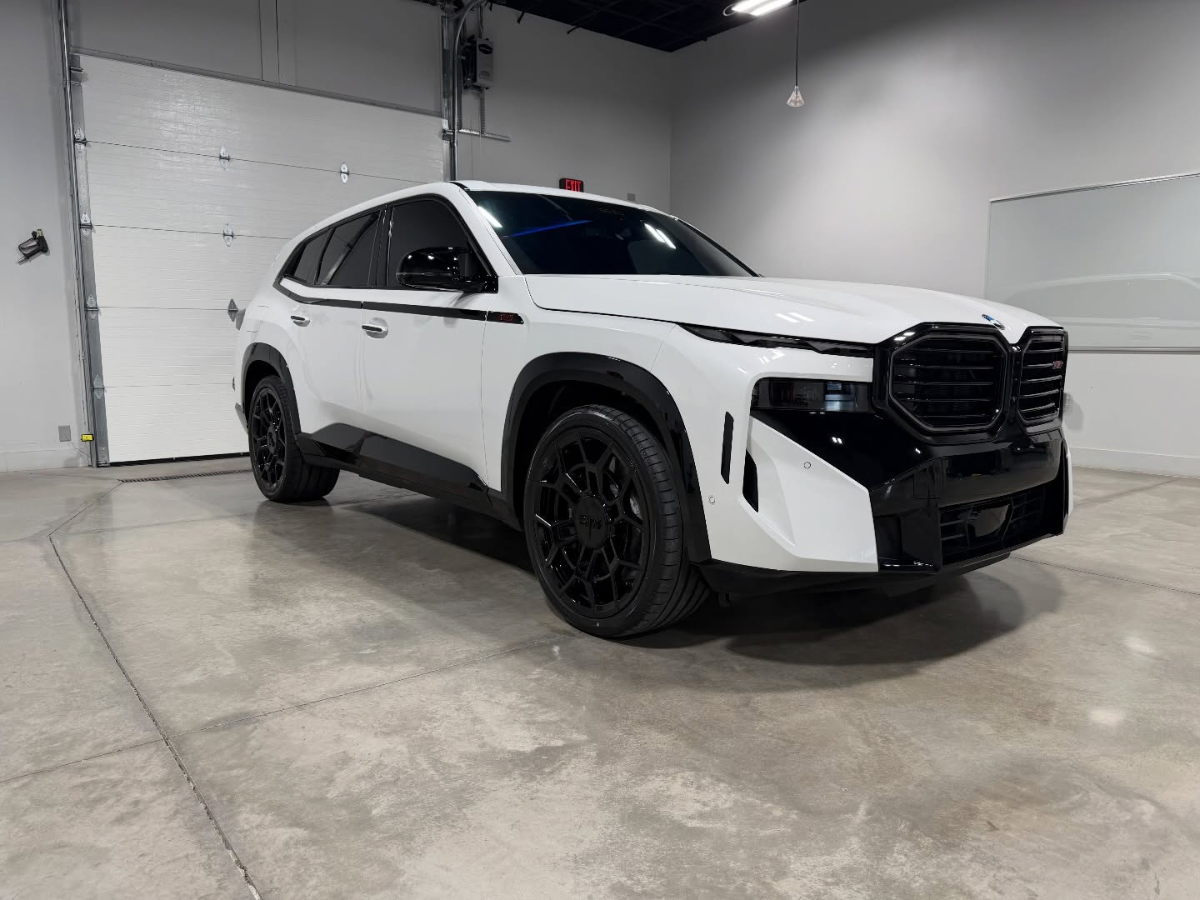
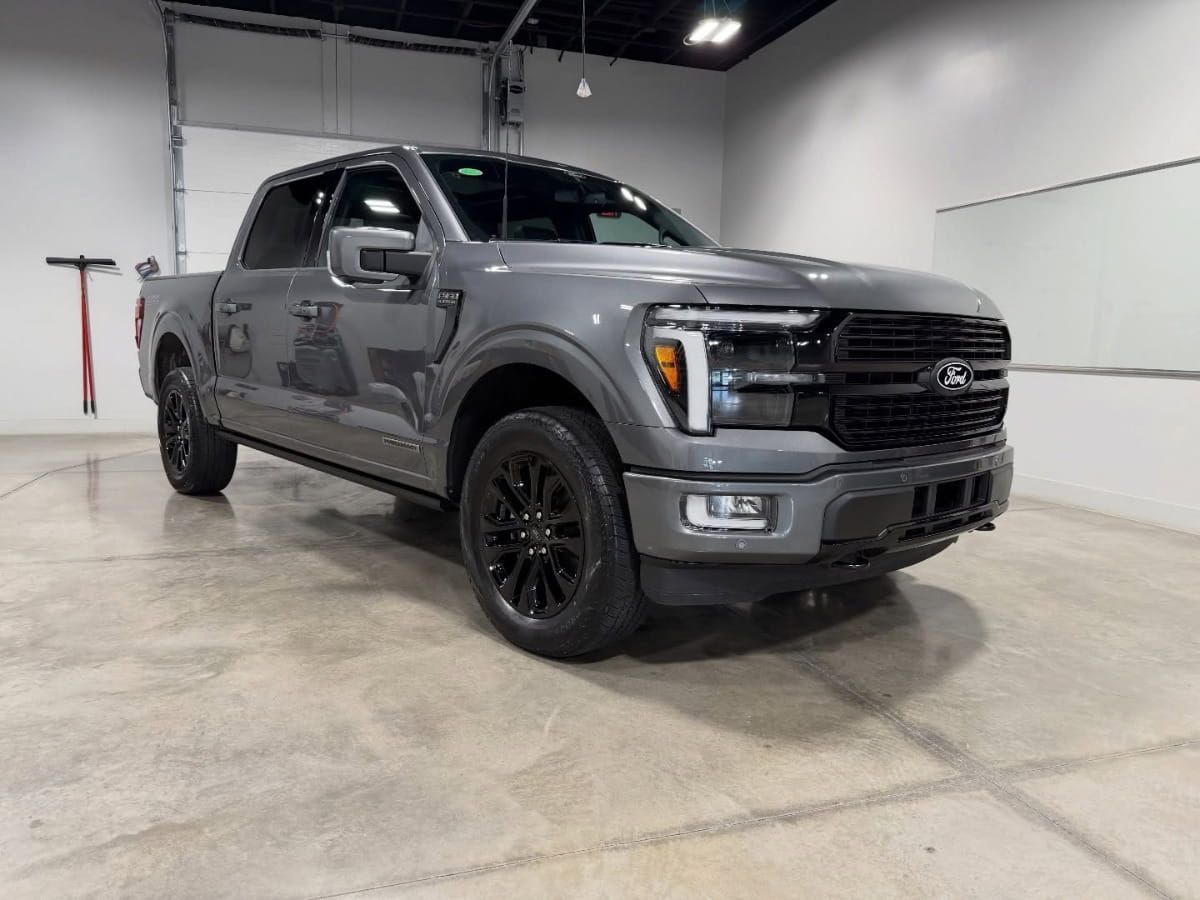
A partial front-end package can be an effective choice for drivers who want protection in the highest-risk areas without covering the entire vehicle. DC Auto Pros Des Moines offers several coverage levels, from a Quarter Front End to Full Front PPF, Track Package PPF, and Full Body PPF.
For frequent highway drivers, broader coverage can make sense because road debris does not always hit the same place.
DC Auto Pros' Track Package, for example, extends protection beyond the traditional front-end areas to include rocker panels, impact rear fenders, the A-pillars, and windshield surround.
The right coverage ultimately depends on how and where you drive.
What PPF Does Protect Against
PPF is excellent at its intended job: protecting painted surfaces from many forms of impact-related and surface-level damage.
It can help protect against:
- Rock and gravel chips,
- Minor scratches and abrasions,
- Bug splatter and staining,
- Road tar and certain contaminants,
- Everyday highway wear.
Modern PPF can also offer UV and weather resistance, helping protect the underlying finish from long-term environmental exposure.
But PPF has limits.
It is not designed to prevent major collision damage, deep dents, vandalism, or every possible scratch or impact. A sufficiently severe impact can damage both the film and the underlying surface. PPF should be viewed as a sacrificial protective layer, not as a guarantee that paint will never be damaged.
PPF vs. Ceramic Coating for Highway Driving
PPF and ceramic coating solve different problems.
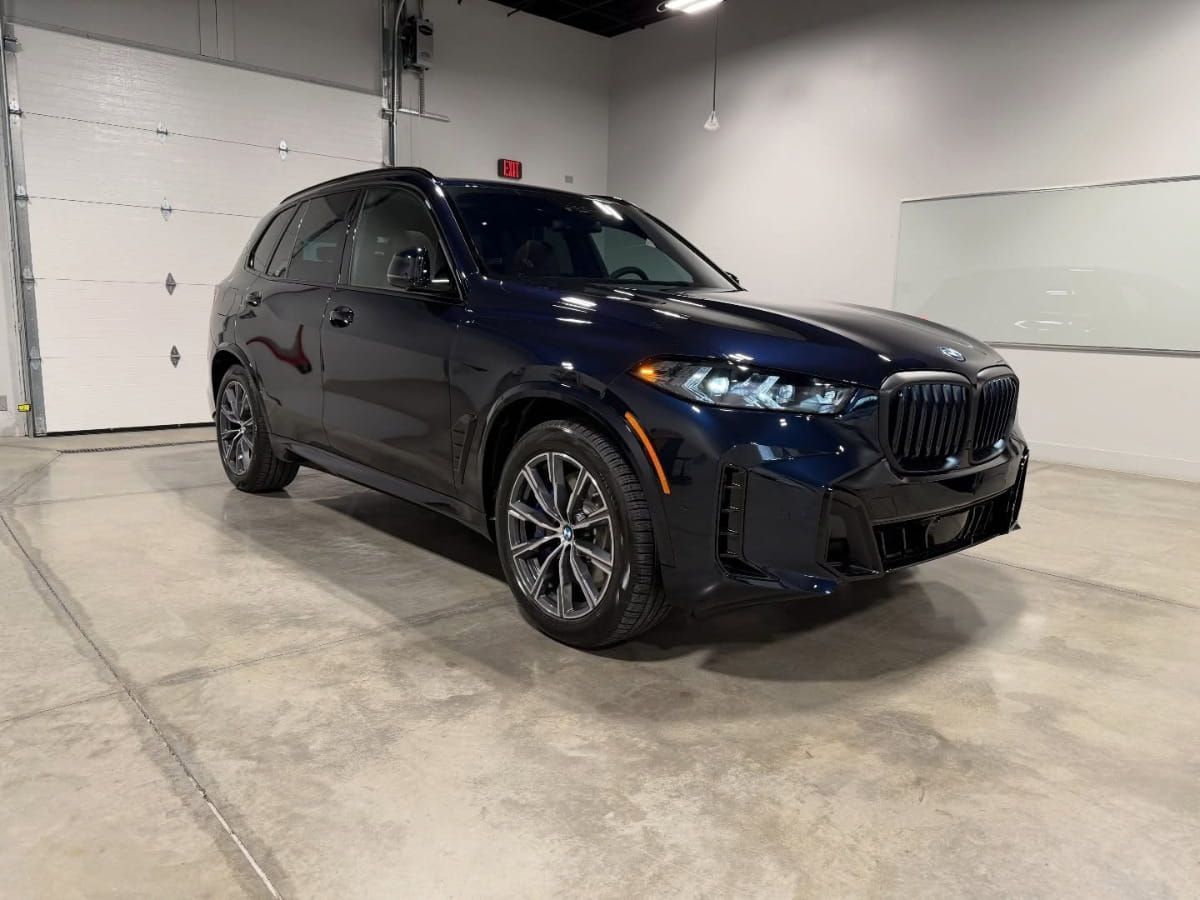
A ceramic coating adds a protective layer that can improve hydrophobic behavior, gloss, and resistance to certain environmental contaminants. PPF provides a physical layer designed specifically to absorb and resist impact-related damage such as rock chips.
For a vehicle that spends a lot of time on highways, PPF is the more relevant protection when your primary concern is stone chips and road debris.
Some owners choose to combine PPF with ceramic coating for broader protection and easier maintenance.
Is PPF Worth It for Iowa Drivers?
For drivers who regularly travel highways around Des Moines, the question is how much exposure the vehicle gets and how important preserving the original paint is to the owner.
A daily commuter travelling thousands of highway miles each year has a very different risk profile from a vehicle driven occasionally around town.
That's why there isn't one PPF package that makes sense for every vehicle.
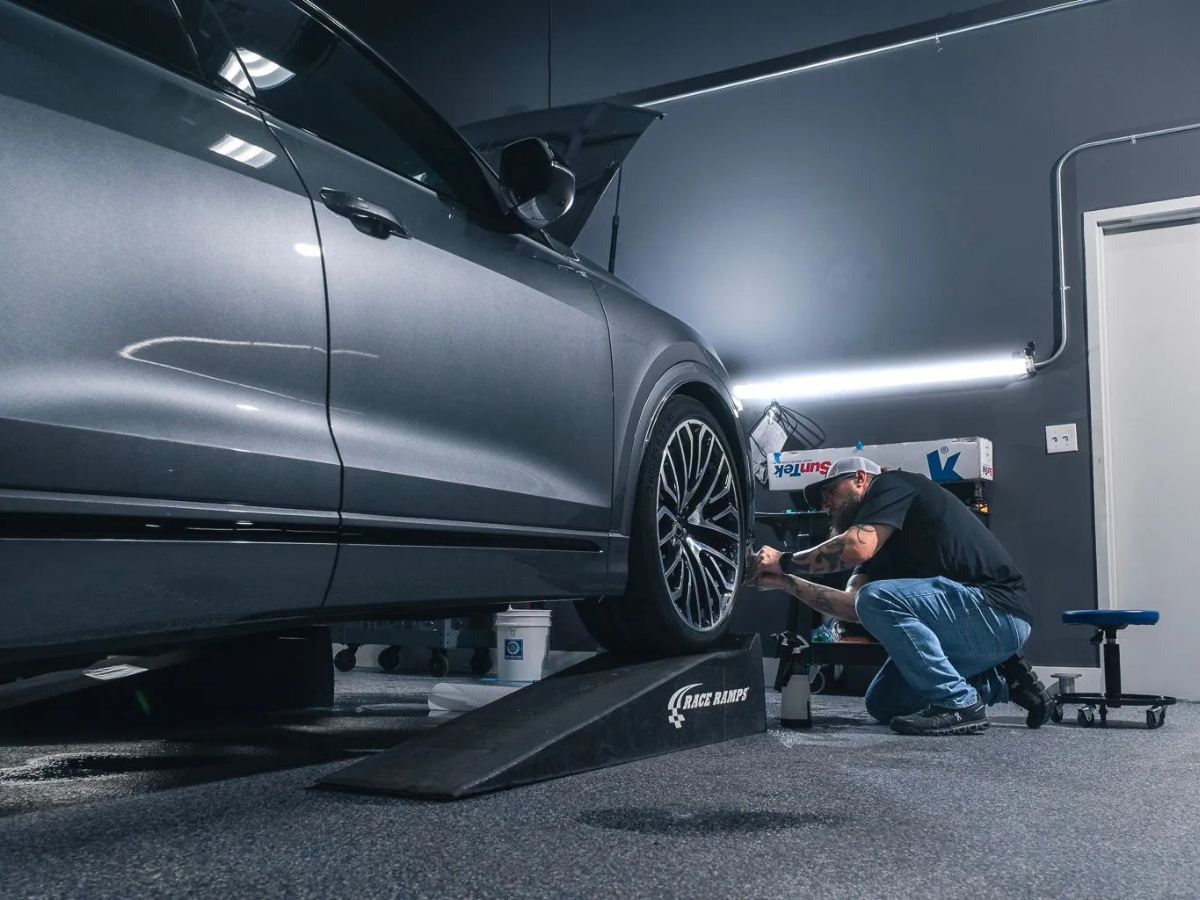
At DC Auto Pros Des Moines, PPF can be tailored to the vehicle and driving habits, from targeted front-end protection to comprehensive full-body coverage. The goal is straightforward: put durable protection where your vehicle is most likely to take a hit.
If you're driving a new vehicle and want to keep its factory finish looking newer for longer, protecting high-impact areas before the first chips appear is often much easier than trying to correct them later.
Drive the highways. Let the PPF take the hits.
For PPF options and a recommendation based on your vehicle and driving habits, contact DC Auto Pros Des Moines for a personalized quote.