How Much Heat Can Window Tint Really Block During an Iowa Summer?
If you've ever climbed into your car after it sat in an Iowa parking lot for an hour in July, you know the feeling.
The steering wheel is almost too hot to touch. The seats radiate heat. The dashboard feels like it's been sitting in an oven, and your air conditioner has to work overtime just to make the cabin comfortable.
It's a question we hear all the time at DC Auto Pros Des Moines: Does window tint actually keep my car cooler, or does it just make the windows look darker?
The answer is simple: quality window tint can significantly reduce the amount of solar heat entering your vehicle, but not all window tint performs the same.
Understanding how window tint works and choosing the right film can make a noticeable difference in comfort, UV protection, and even the long-term condition of your vehicle's interior.
Why Iowa Summers Feel So Hot Inside Your Car
While Iowa doesn't experience the year-round heat of southern states, summer temperatures regularly climb into the upper 80s and 90s. Combined with direct sunlight and humidity, the interior of a parked vehicle can become dramatically hotter than the outside air.
Research has shown that a vehicle parked in direct sunlight can reach interior temperatures well above 120°F (49°C) within an hour, even when the outside temperature is much lower.
That's because your vehicle experiences what's commonly known as the greenhouse effect.
Sunlight passes through the glass, heating the dashboard, seats, carpeting, and interior panels. Those surfaces then radiate heat back into the cabin, where much of it becomes trapped.
The result is an interior that feels far hotter than the weather forecast suggests.
What Heat Does Window Tint Actually Block?
Many people assume window tint simply blocks visible sunlight.
In reality, modern automotive window films are engineered to manage several different parts of the solar spectrum.
High-quality window tint helps reduce:
- Infrared (IR) heat,
- Ultraviolet (UV) radiation,
- Solar energy entering the cabin,
- Excessive glare.
The exact amount depends on the type of film.
Infrared Heat Makes the Most Significant Difference
When customers ask why one window tint feels cooler than another, the answer usually comes down to infrared heat rejection.
Infrared energy accounts for much of the heat you actually feel inside your vehicle.
Premium ceramic window films are specifically designed to reject a significant portion of infrared radiation while maintaining excellent visibility.
That means:
- Less heat buildup
- A cooler cabin
- More comfortable driving
- Reduced demand on your air conditioning system
Perhaps surprisingly, a lighter ceramic film can sometimes reject more heat than a darker, lower-quality dyed tint.
UV Protection Is Just as Important
Heat isn't the only concern during an Iowa summer.
Ultraviolet (UV) radiation gradually damages vehicle interiors, even during relatively short daily commutes.
Over time, prolonged UV exposure contributes to:
- Dashboard fading,
- Leather drying and cracking,
- Plastic discoloration,
- Upholstery deterioration,
- Premature aging of interior materials.
Most professional automotive window films block approximately 99% of harmful UV rays, helping preserve your vehicle's interior while also providing valuable protection for your skin during everyday driving.
Can Window Tint Eliminate Heat Completely?
This is one of the biggest misconceptions surrounding window tint.
No window film can completely prevent heat from entering your vehicle.
Some solar energy still enters through:
- The windshield,
- Untinted glass,
- The roof,
- Metal body panels,
- Air infiltration.
However, professionally installed premium window tint can dramatically reduce how quickly your vehicle heats up and how hot it ultimately becomes compared to untreated glass.
For many drivers, the difference is immediately noticeable every time they get behind the wheel.
Your Air Conditioner Doesn't Have to Work as Hard
A cooler cabin doesn't just improve comfort.
It also reduces the workload placed on your vehicle's air conditioning system.
When less heat enters through the windows:
- The cabin cools faster,
- Air conditioning reaches comfortable temperatures sooner,
- The system spends less time operating at maximum output.
While fuel savings vary depending on driving habits and vehicle type, reducing cabin heat helps your climate control system operate more efficiently during Iowa's hottest months.
Iowa Drivers Face More Than Just Summer Heat
Window tint isn't only valuable in July.
Throughout the year, Iowa drivers experience changing conditions that make window film beneficial in every season.
Summer brings:
- Intense sunlight,
- High cabin temperatures,
- Strong UV exposure.
Winter introduces:
- Bright glare reflecting off snow,
- Low-angle sunlight,
- Rapid temperature fluctuations.
Year-round, window tint helps improve driving comfort by reducing glare and creating a more consistent cabin environment.
Ceramic Window Tint vs. Dyed Window Tint
Not all tint films are created equally.
Dyed Window Tint
Traditional dyed films primarily improve appearance and reduce visible light.
While they provide some heat reduction, they're generally less effective at blocking infrared heat.
They may also fade over time.
Ceramic Window Tint
Modern ceramic films use advanced non-metallic ceramic particles to reject heat without interfering with electronics like GPS, Bluetooth, satellite radio, or mobile phone signals.
Benefits include:
- Superior heat rejection,
- Outstanding UV protection,
- Excellent optical clarity,
- Reduced glare,
- Long-term color stability.
For drivers focused on comfort and performance rather than simply darkening their windows, ceramic tint is often the preferred choice.
Window Tint Helps Protect More Than Comfort
Most people notice the cooler cabin immediately.
What they often don't notice is the gradual protection happening every day.
Professional window tint helps preserve:
- Leather seats,
- Vinyl trim,
- Plastic panels,
- Touchscreens,
- Wood or carbon fiber accents,
- Interior stitching.
Reducing UV exposure helps slow the aging process of these materials, keeping your vehicle looking newer for longer.
Is Window Tint Legal in Iowa?
Yes, but Iowa regulates how dark automotive window tint may be on different windows.
These regulations exist to balance driver visibility with safety.
Because tint laws can change and vary depending on vehicle type, it's important to work with an experienced installer who understands current Iowa requirements and recommends films that comply with state regulations.
Professional installation helps ensure both excellent performance and legal compliance.
Professional Installation Makes a Difference
Even the highest-quality film can disappoint if it's installed improperly.
Professional installation helps prevent issues such as:
- Dust contamination,
- Bubbles,
- Peeling,
- Edge lifting,
- Uneven appearance,
- Premature film failure.
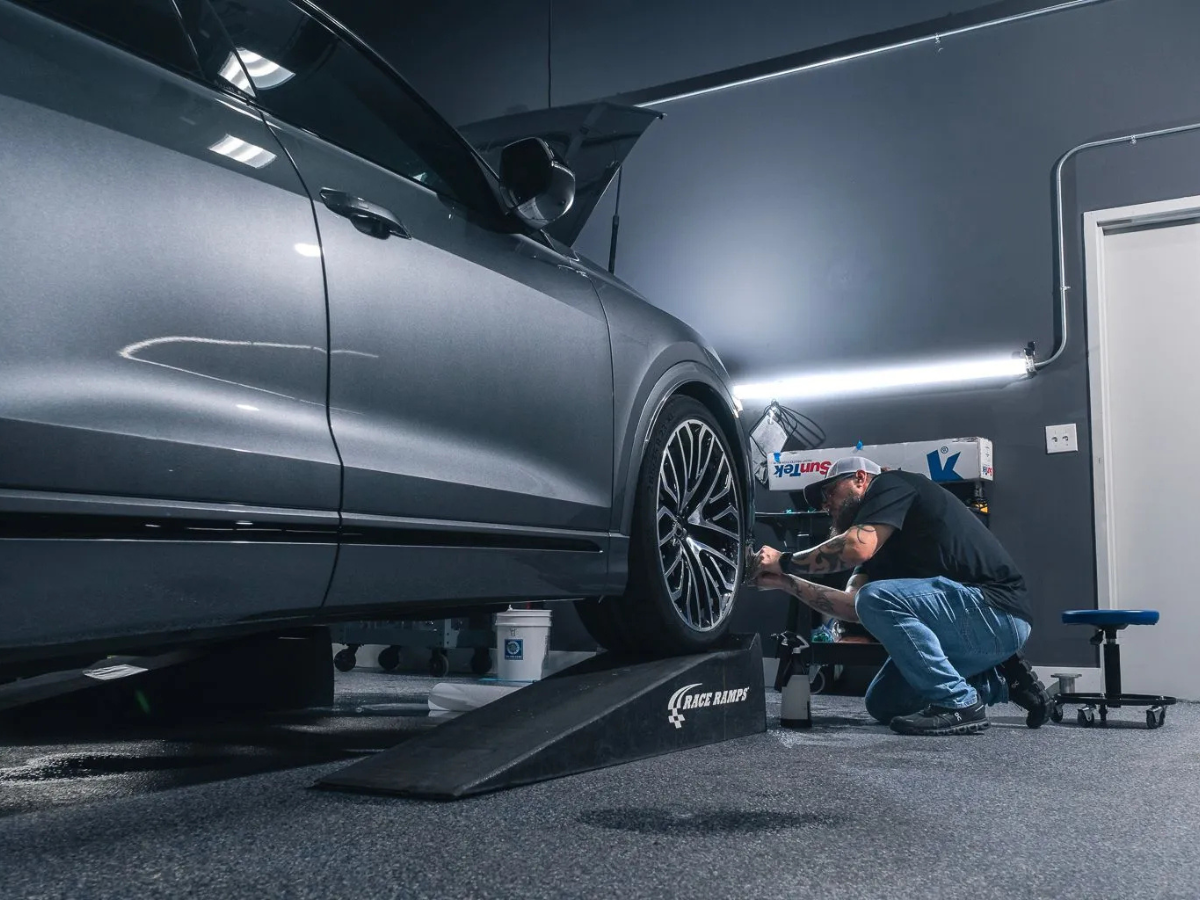
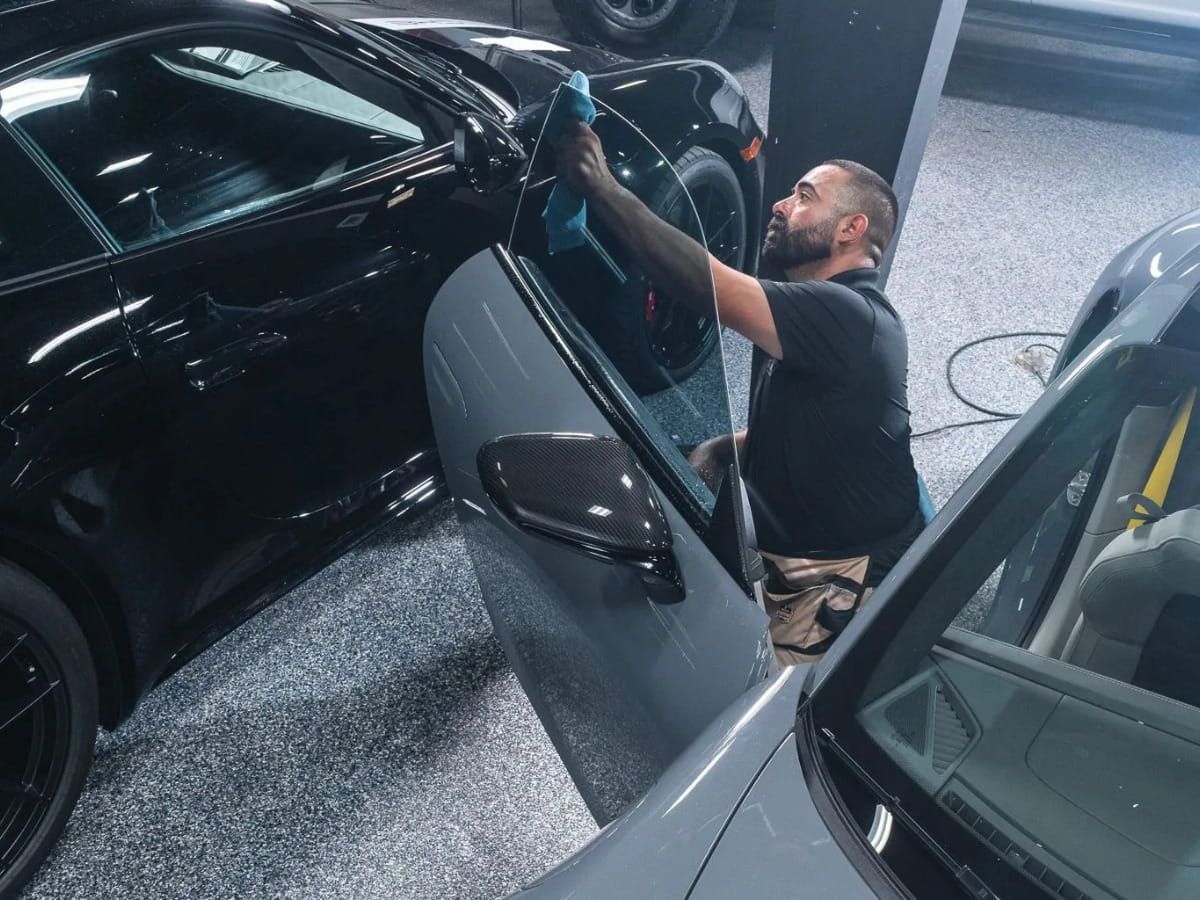
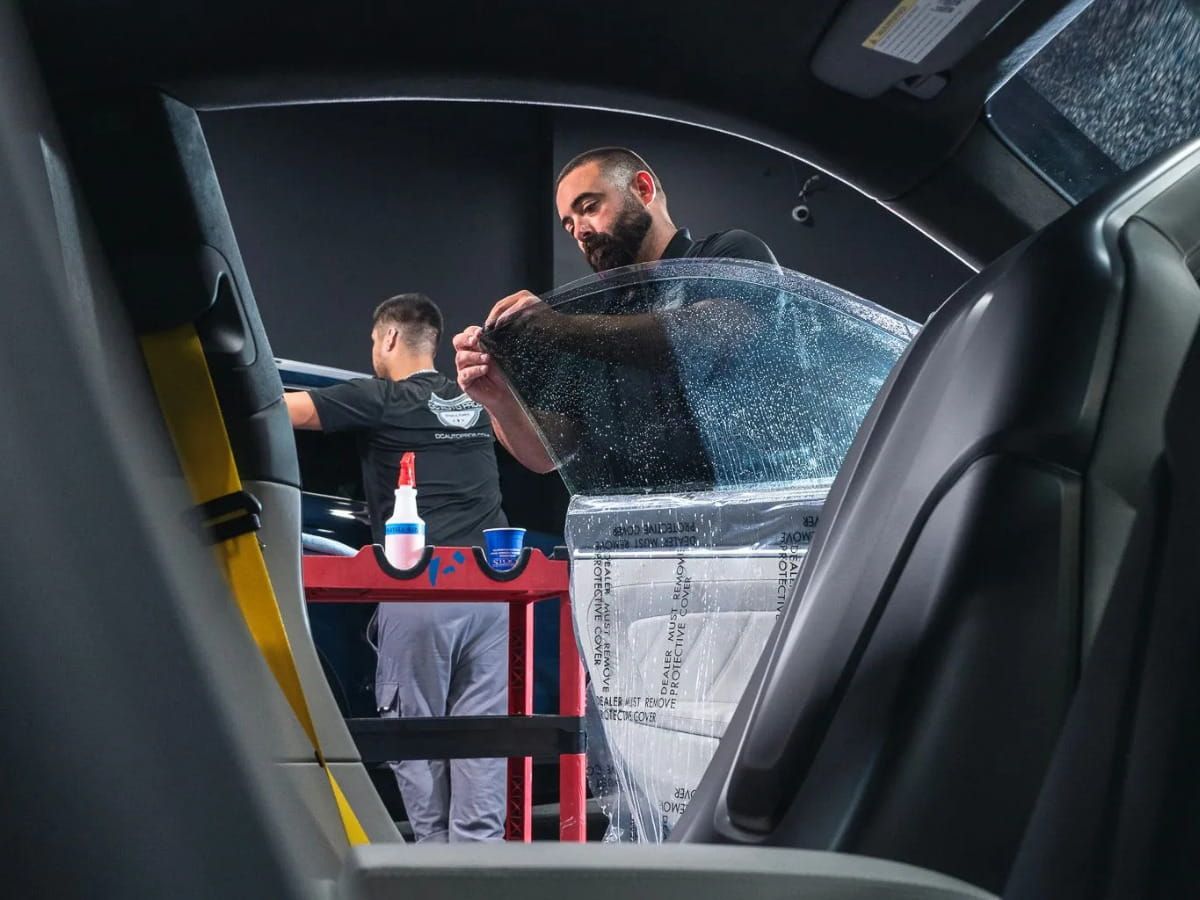
At DC Auto Pros Des Moines, every window tint installation is completed with careful surface preparation, precision cutting, and meticulous attention to detail. Our goal is to deliver a clean, factory-quality finish built to last.
Choosing the Right Window Tint for Your Vehicle
The "best" window tint isn't necessarily the darkest.
Instead, the right film depends on:
- Your daily driving habits,
- Whether your vehicle is parked outdoors,
- Your comfort preferences,
- Desired privacy level,
- Local tint regulations,
- Long-term ownership goals.
Our team takes the time to understand how you use your vehicle before recommending a solution that delivers the right balance of heat rejection, visibility, appearance, and durability.
More Than Just Automotive Tint
In addition to professional automotive window tinting, DC Auto Pros Des Moines also provides residential and commercial window tinting throughout the greater Des Moines area.
Window film can help homes and businesses reduce heat gain, minimize glare, improve privacy, and increase energy efficiency while allowing natural light to remain part of the space.
It's another example of how advanced window films offer practical benefits far beyond appearance alone.
The Bottom Line
So, how much heat can window tint really block during an Iowa summer?
The answer depends on the quality of the film, but professionally installed premium window tint can make a significant difference in cabin comfort by reducing infrared heat, blocking approximately 99% of harmful UV rays, minimizing glare, and helping protect your vehicle's interior from long-term sun damage.
At DC Auto Pros Des Moines, we believe window tint should do more than enhance your vehicle's appearance. It should improve every drive, whether you're commuting across Des Moines, heading to West Des Moines, Ankeny, Waukee, Johnston, Clive, Grimes, Altoona, Adel, Lake Panorama, or anywhere else in Central Iowa.
If you're ready to stay cooler, protect your interior, and enjoy a more comfortable driving experience this summer, our team is here to help you choose the right window tint solution for your vehicle, with expert installation and craftsmanship you can trust.